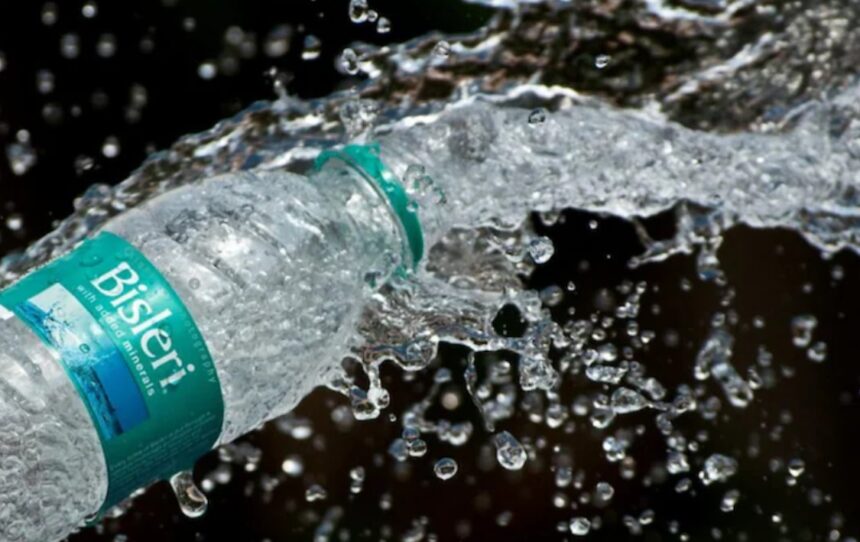
Regulatory proceedings involving Bisleri International have raised fresh questions about packaged drinking water safety, laboratory testing and quality compliance across India’s rapidly growing bottled water market.
India’s packaged drinking water industry is facing renewed regulatory scrutiny after the Food Safety and Standards Authority of India (FSSAI) initiated action against Bisleri International over disputed laboratory findings involving samples collected from its manufacturing facility in Goa.
The development has brought water quality, manufacturing standards and regulatory compliance into focus across an industry estimated to be approaching $4 billion in value.
The case involves laboratory findings related to bromate and polycyclic aromatic hydrocarbons (PAHs), substances that are subject to food safety scrutiny because of their potential health implications.
See more of our coverage in your search results.
Add INDYASTORY on GoogleBisleri has disputed the findings and maintained that its packaged drinking water is safe for consumption.
The regulatory proceedings do not, by themselves, establish that the company has violated food safety laws. The disputed findings remain subject to the applicable legal and regulatory process.
Why FSSAI’s Action Against Bisleri Matters
Bisleri is among India’s most recognised packaged drinking water brands, with a presence across retail outlets, hotels, restaurants, railway stations, airports and online shopping platforms.
According to industry estimates cited in media reports, India’s packaged drinking water market was valued at approximately $3.6 billion in 2025, with Bisleri accounting for more than 30% of the segment.
The company’s extensive distribution network includes thousands of distributors and delivery vehicles operating across India and the United Arab Emirates.
See more of our coverage in your search results.
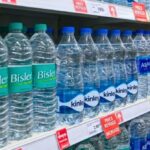
Add INDYASTORY on GoogleIts competitors include Coca-Cola’s Kinley, PepsiCo’s Aquafina, Parle Agro’s Bailley and several regional packaged water manufacturers.
Increasing urbanisation, changing lifestyles, rising health awareness and limited access to reliable drinking water in some areas have contributed to growing demand for packaged water.
Given Bisleri’s market position, regulatory proceedings involving the company could encourage manufacturers across the sector to reassess their quality-control systems, testing procedures and supplier compliance.
See more of our coverage in your search results.
Add INDYASTORY on GoogleFor bottled water businesses, consumer trust is particularly important because customers rely on manufacturers to ensure that products meet prescribed safety standards.
What Triggered the Regulatory Action Against Bisleri?
The dispute reportedly began in September 2025, when food safety officials collected six water samples from Bisleri’s manufacturing facility in Goa.
According to the company’s account, five samples complied with prescribed standards, while one sample recorded a bromate concentration of 12 micrograms per litre against a reported permissible limit of 10 micrograms per litre.
Bisleri challenged the initial laboratory finding, following which the sample was referred for further examination.
The referral laboratory reportedly found bromate levels within the permissible range but identified concerns involving PAHs.
Bisleri subsequently commissioned additional testing at an FSSAI-approved laboratory, which, according to the company, also found bromate levels within permissible limits.
The differing laboratory findings have become central to the dispute, raising questions about sample testing, analytical consistency and regulatory procedures.
The available information does not establish whether the company’s additional testing also examined the sample for PAHs.
What Are Bromate and PAHs in Drinking Water?
Bromate is a chemical compound that can form when ozone reacts with naturally occurring bromide during water treatment.
Ozonation is used in water purification because it helps eliminate microorganisms. However, manufacturers must carefully manage treatment conditions to minimise the formation of unwanted chemical by-products.
Long-term exposure to elevated bromate concentrations is a potential health concern, which is why drinking water standards prescribe strict limits.
Polycyclic aromatic hydrocarbons, commonly known as PAHs, are a group of chemical compounds associated with sources such as incomplete combustion, industrial activities and environmental contamination.
Certain PAHs have been associated with adverse health effects, particularly following prolonged exposure.
However, the detection of a substance does not automatically establish the level of health risk. Its concentration, chemical characteristics, exposure duration and applicable regulatory limits must also be considered.
The specific findings in the Bisleri case should therefore be assessed through verified laboratory records and the relevant regulatory process rather than generalised to every product sold by the company.
Bisleri Maintains Its Bottled Water Is Safe
Bisleri International has rejected concerns regarding the safety of its packaged drinking water, citing subsequent laboratory examinations that reportedly found bromate concentrations within permissible limits.
The company has also indicated that it believed the matter had been resolved following additional testing.
However, a company’s understanding that a dispute has been resolved does not necessarily establish that the regulator has formally closed the proceedings.
The case highlights the importance of independent laboratory analysis, transparent regulatory communication and clearly documented quality assurance procedures.
It is also important to distinguish between findings involving a particular sample or manufacturing batch and the safety of products manufactured across an entire distribution network.
There is currently insufficient information in the available reports to conclude that all Bisleri products are affected.
Could Other Bottled Water Companies Face Additional Safety Checks?
The regulatory development could have implications beyond Bisleri.
According to media reports citing government sources, the food safety regulator intends to strengthen scrutiny of packaged drinking water manufacturers and examine compliance with applicable safety requirements.
Such measures could lead to increased attention to water treatment systems, manufacturing hygiene, chemical testing, packaging integrity and product traceability.
Major national brands and smaller regional manufacturers may also strengthen their internal quality-control procedures to minimise regulatory and reputational risks.
For the industry, more consistent testing and effective compliance systems could help improve consumer confidence over the longer term.
Can Bisleri Challenge the FSSAI Proceedings?
Under the Food Safety and Standards Act, 2006, food businesses may have legal remedies available when disputing regulatory findings or enforcement proceedings.
Depending on the circumstances, a company may challenge issues involving sample collection, laboratory procedures, inconsistent analytical results or alleged failures to follow statutory requirements.
The grant of sanction for prosecution permits legal proceedings to move forward but does not establish guilt or constitute a judicial finding of wrongdoing.
Any final determination would depend on the evidence, applicable law and decisions of the competent authorities or courts.
FSSAI Intensifies Food Safety Surveillance Across India
The Bisleri development comes amid wider efforts to strengthen food safety enforcement across the country.
According to figures attributed to the regulator in media reports, authorities inspected 56,431 food establishments between September 1 and November 5.
During the period, approximately 3,279.57 metric tonnes of food products worth an estimated ₹81.80 crore were reportedly seized.
The enforcement activities underline the importance of regulatory compliance for businesses operating across India’s food and beverage industry.
For packaged drinking water manufacturers, maintaining consistent chemical and microbiological safety standards remains a fundamental responsibility.
What Should Consumers Check Before Buying Packaged Drinking Water?
Consumers can take several practical precautions when purchasing bottled water:
- Check the FSSAI licence number printed on the packaging.
- Ensure that the bottle cap and safety seal are intact.
- Examine the batch number, manufacturing date and best-before information.
- Avoid damaged, leaking or visibly contaminated bottles.
- Purchase packaged water from reliable retailers.
- Follow official food safety advisories and product recall notices.
Consumers can verify food business licence details through the official FSSAI Food Safety Connect platform.
Any suspected food safety violation can also be reported through the regulator’s official consumer grievance channels.
What Happens Next?
The outcome of the proceedings involving Bisleri will depend on further regulatory and legal developments.
For India’s packaged drinking water industry, the dispute serves as a reminder that brand recognition alone cannot replace rigorous manufacturing controls, scientific testing and transparent compliance procedures.
As demand for bottled water continues to grow, manufacturers will face increasing expectations to demonstrate that their products consistently meet prescribed food safety requirements.
For consumers, the priority remains access to safe drinking water supported by credible testing, effective oversight and reliable product information.