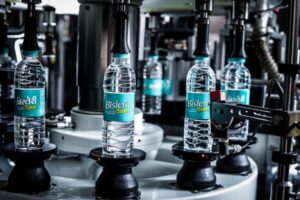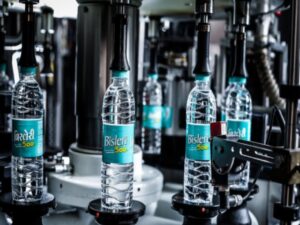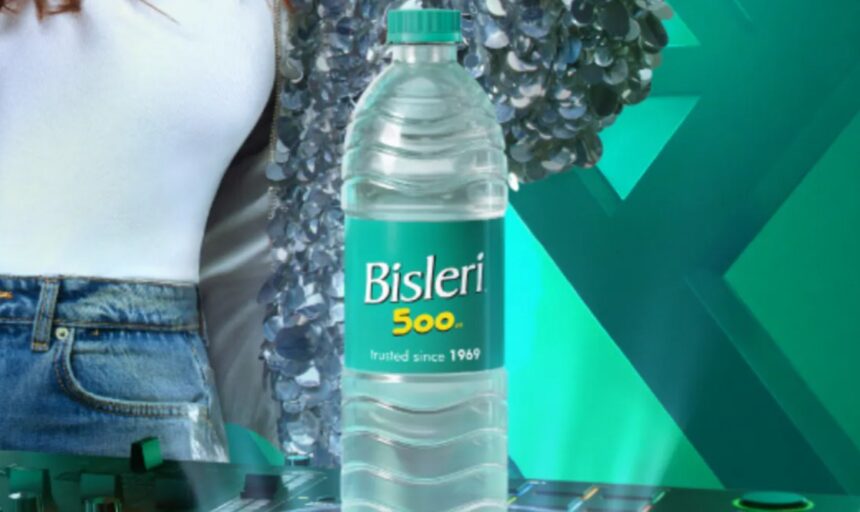
Bisleri International says the regulatory action concerns a single batch manufactured at its Goa facility in September 2025. While subsequent testing reportedly found bromate within permissible limits, separate findings involving PAHs remain central to the dispute.
Bisleri International has welcomed a clarification from the Food Safety and Standards Authority of India (FSSAI) regarding laboratory findings involving its packaged drinking water, maintaining that the regulatory action is limited to a single production batch manufactured at its Goa facility approximately 14 months ago.
In a statement issued on November 24, 2026, the company said the food safety regulator had clarified that bromate concentrations in the retested sample were below the prescribed limit.
The bottled water manufacturer also stated that no stock from the disputed batch remained available in the market and that its manufacturing facilities continued to operate normally.
See more of our coverage in your search results.
Add INDYASTORY on GoogleHowever, separate laboratory findings involving polycyclic aromatic hydrocarbons (PAHs) remain relevant to the regulatory proceedings.
The development has renewed public attention to packaged drinking water safety, chemical contamination, laboratory testing and the responsibilities of bottled water manufacturers in India.
Why Did FSSAI Sanction Prosecution Against Bisleri?
On November 22, 2026, the FSSAI reportedly sanctioned prosecution proceedings against Bisleri International under the Food Safety and Standards Act, 2006, following laboratory findings involving a sample of packaged drinking water.
The initial examination identified bromate concentrations exceeding the prescribed safety limit.
After Bisleri challenged the result, the sample was referred to a designated referral food laboratory for further examination.
See more of our coverage in your search results.
Add INDYASTORY on GoogleAccording to the available reports, the referral laboratory found bromate within permissible limits but separately identified PAHs, resulting in the sample being classified as unsafe.
The differing laboratory findings have become a key point of disagreement between the company and the regulatory authorities.
The sanction for prosecution permits legal proceedings to move forward. It does not constitute a conviction or establish wrongdoing by the company.
See more of our coverage in your search results.
Add INDYASTORY on GoogleWhat Did Bisleri Say About the Laboratory Results?
Bisleri stated that food safety officials collected six samples from its Goa manufacturing facility on September 30, 2025.
According to the company, five samples met the applicable safety standards, while one recorded a bromate concentration of 12 micrograms per litre against the prescribed limit of 10 micrograms per litre.
Bisleri challenged the initial finding on November 22, 2025, following which the sample underwent further examination at a referral laboratory.
The company said the subsequent test found bromate levels within permissible limits but separately flagged the presence of PAHs.
Bisleri also arranged additional testing at an FSSAI-approved laboratory, which, according to the company, confirmed that bromate concentrations were within the prescribed limit.
The manufacturer said it submitted the additional test results to FSSAI’s Western Regional Office on February 2, 2026.
Bisleri maintained that it had received no further communication at the time and understood that the matter had been resolved.
However, the company’s understanding does not independently establish that the regulator had formally closed the case.
Which Bisleri Water Batch Is Under Scrutiny?
In its subsequent clarification, Bisleri identified the affected production batch as GO 270, manufactured on September 27, 2025, at its Goa facility.
The company said the sale prohibition applies exclusively to the identified batch and does not extend to its entire product portfolio.
Bisleri also maintained that:
- No stock from Batch GO 270 remains available in the market.
- Its Goa manufacturing facility continues to operate.
- All 143 manufacturing plants across India remain operational.
- Samples from subsequent production at the Goa facility have met applicable food safety standards.
- The company will continue to cooperate with regulatory authorities.
These statements represent Bisleri’s position and require independent confirmation through official regulatory records.
Why Are Bromate and PAHs Monitored in Drinking Water?
Bromate and PAHs are chemical contaminants that may present health concerns depending on their concentration, characteristics and duration of exposure.
Bromate can form during ozone-based water treatment when ozone reacts with naturally occurring bromide.
Although ozonation is an effective disinfection process, treatment conditions must be carefully controlled to minimise unwanted chemical by-products.
Potassium bromate has been classified by the International Agency for Research on Cancer (IARC) as possibly carcinogenic to humans.
PAHs are a broader group of chemical compounds associated with incomplete combustion, industrial activities, petroleum-related pollution and environmental contamination.
Certain PAHs have been classified as carcinogenic to humans, while others have different hazard classifications.
The presence of these compounds must be assessed against relevant safety standards and verified laboratory findings.
A chemical hazard classification does not mean that every exposure will result in illness or cancer.
How Safe Is India’s Packaged Drinking Water Industry?
The Bisleri dispute has also drawn attention to the wider challenge of maintaining consistent safety standards across India’s bottled water industry.
According to household drinking water data cited in the available reporting, bottled water was the principal source of drinking water for approximately 15% of urban households and 6% of rural households in 2023.
Separately, figures reportedly submitted in Parliament in February 2025 showed that hundreds of packaged drinking water enforcement samples failed to comply with prescribed standards.
During the 2023–24 financial year, 333 of 1,300 tested enforcement samples were reportedly found non-compliant.
In 2022–23, 650 of 1,776 tested samples reportedly failed to meet applicable requirements.
These figures highlight the importance of regulatory surveillance, laboratory testing and manufacturing compliance.
However, enforcement samples may be collected through targeted inspections rather than random nationwide sampling. Therefore, their non-compliance rates should not be interpreted as the proportion of all bottled water sold in India that is unsafe.
How Is Packaged Drinking Water Regulated in India?
Packaged drinking water manufacturers are required to comply with applicable food safety regulations governing chemical composition, microbiological quality, manufacturing hygiene and product packaging.
India’s bottled water market broadly includes two distinct product categories.
Packaged drinking water may be sourced from groundwater, surface water, municipal supplies or other permitted sources. It can undergo purification processes such as filtration, reverse osmosis, demineralisation, remineralisation and disinfection.
Natural mineral water, by comparison, originates from protected underground sources and is characterised by a relatively stable composition of naturally occurring minerals. Its treatment is subject to specific regulatory restrictions.
Both categories must meet applicable safety requirements.
Manufacturers are responsible for maintaining effective quality-control systems and ensuring that finished products comply with prescribed standards before distribution.
What Safety Checks Should Bottled Water Manufacturers Follow?
Effective water quality management requires monitoring throughout the production process, from the original water source to the finished packaged product.
Important quality-control measures include:
- Regular testing of source water.
- Monitoring chemical and microbiological parameters.
- Maintaining filtration and disinfection equipment.
- Controlling chemical by-products during purification.
- Ensuring hygienic bottling and packaging conditions.
- Maintaining batch identification and product traceability.
- Following applicable product withdrawal and recall procedures.
These safeguards help manufacturers identify potential problems and prevent affected products from reaching consumers.
Regular testing is particularly important because many chemical contaminants cannot be identified through the appearance, taste or smell of drinking water.
Can Plastic Bottles Affect Drinking Water Quality?
Packaging and storage conditions can also influence the quality of bottled drinking water.
Prolonged exposure to excessive heat may increase the migration of certain substances from packaging materials into water, depending on the material, temperature and duration of storage.
Researchers have also examined the presence of microplastics and nanoplastics in bottled water, although the health implications of different exposure levels remain an area of ongoing scientific investigation.
There is no evidence in the available information establishing that plastic packaging caused the specific bromate or PAH findings in the Bisleri case.
Consumers should follow the manufacturer’s storage instructions and avoid bottles with damaged seals, visible contamination or compromised packaging.
What Should Consumers Do Before Buying Packaged Water?
Consumers can take practical precautions when purchasing bottled drinking water.
Check the manufacturer’s details, FSSAI licence number, batch identification, packaging date and best-before information.
Ensure that the cap and tamper-evident seal remain intact. Avoid purchasing bottles that appear damaged, leaking or improperly stored.
Consumers should also follow official food safety advisories and verify information about specific product restrictions or recalls.
Anyone who possesses a product identified in an official sale prohibition or recall should avoid consuming it and follow the instructions issued by the regulator or manufacturer.
Suspected food safety violations can be reported through FSSAI’s official consumer grievance channels.
What Happens Next in the Bisleri Case?
Bisleri has maintained that its packaged drinking water meets applicable safety requirements and that the regulatory dispute is confined to a specific batch manufactured in September 2025.
The company has welcomed the reported clarification regarding bromate concentrations and indicated that it will continue cooperating with the food safety authorities.
Nevertheless, the bromate retest does not independently resolve the separate laboratory finding involving PAHs.
Further developments will depend on regulatory decisions, verified laboratory evidence and any subsequent legal proceedings.
For India’s bottled water industry, the case reinforces the importance of transparent testing, consistent manufacturing standards and effective product traceability.
For consumers, it serves as a reminder that drinking water safety must be supported by scientific evidence rather than brand recognition or packaging alone.