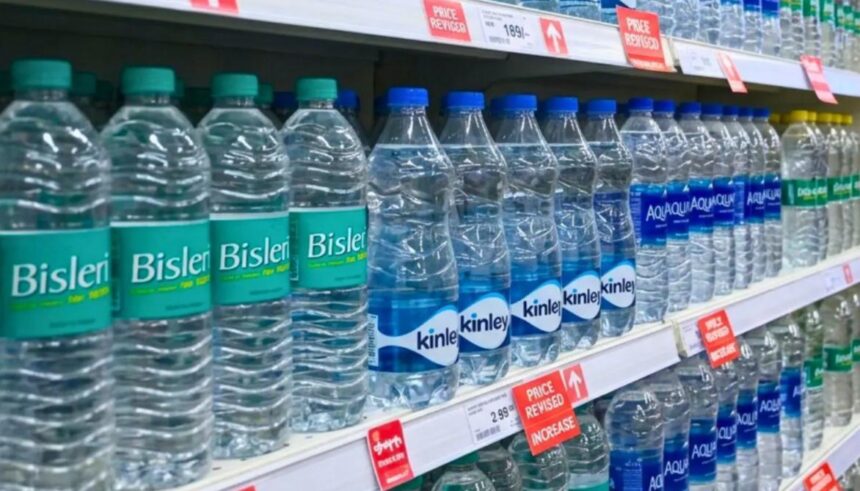
Bisleri International says it manufactures more than 50,000 batches annually and that the FSSAI’s sale prohibition applies exclusively to Batch GO 270, produced at its Goa facility in September 2025.
Mumbai, November 25, 2026: Bisleri International has welcomed the clarification issued by the Food Safety and Standards Authority of India (FSSAI) on November 23 regarding disputed laboratory findings involving its packaged drinking water.
In a statement released on November 25, the beverage manufacturer reiterated that the regulatory action concerns a single production batch manufactured approximately 14 months ago at its Goa facility.
The company maintained that all 143 manufacturing plants remain operational and that no stock from the identified batch is currently available in the market.
See more of our coverage in your search results.
Add INDYASTORY on GoogleThe clarification comes amid increased scrutiny of packaged drinking water safety, chemical testing and regulatory compliance across India’s beverage industry.
Bisleri Says Restriction Applies to One of More Than 50,000 Annual Batches
According to Bisleri, the company manufactures more than 50,000 batches of packaged drinking water annually.
It stated that the FSSAI’s sale prohibition applies specifically to Batch GO 270, manufactured at its Goa facility on September 27, 2025.
Bisleri said the restriction does not extend to other production batches or its nationwide manufacturing operations.
The company also confirmed in its statement that no stock from the disputed batch remains available in the market.
See more of our coverage in your search results.
Add INDYASTORY on GoogleThe clarification seeks to distinguish the regulatory proceedings involving a particular production batch from broader concerns about the company’s packaged drinking water products.
Bromate Levels Within Permissible Limits on Retesting, Bisleri Says
Addressing the initial laboratory findings, Bisleri said the FSSAI had clarified on November 23, 2026, that bromate concentrations in the retested sample were below the prescribed permissible limit.
Bromate is a chemical compound that can form during ozone-based water purification when ozone reacts with naturally occurring bromide.
See more of our coverage in your search results.
Add INDYASTORY on GoogleIts concentration in drinking water is subject to regulatory limits because prolonged exposure to elevated levels may present potential health risks.
Bisleri welcomed the reported clarification, maintaining that subsequent bromate testing supported its position regarding the disputed sample.
However, the bromate result does not independently resolve the separate laboratory finding involving polycyclic aromatic hydrocarbons (PAHs).
Bisleri Raises Questions Over PAH Laboratory Findings
The company also addressed the reported presence of PAHs in one of the tested samples.
According to its latest statement, six water samples originating from the same source had initially passed testing. During subsequent examination, one sample associated with Batch GO 270 reportedly recorded a PAH concentration of 0.144 micrograms per litre.
Bisleri said another sample from the same production batch met all tested parameters.
Citing these differing laboratory findings, the company stated that it had requested additional PAH testing in February 2026.
Bisleri further maintained that no subsequent adverse PAH findings had been reported in samples tested by the FSSAI across its manufacturing network since then.
PAHs are a group of chemical compounds associated with combustion processes and environmental contamination. Their potential health effects depend on the specific compounds involved, concentration and duration of exposure.
The reported laboratory findings remain subject to the applicable regulatory process.
All 143 Manufacturing Plants Remain Operational
Bisleri said its Goa manufacturing facility had not received any direction from the food safety regulator to suspend production.
The company maintained that samples collected from subsequent production at the facility had complied with applicable FSSAI standards.
It also stated that all 143 manufacturing plants across its network remain fully operational.
The beverage manufacturer reaffirmed its commitment to food safety, manufacturing standards and cooperation with regulatory authorities.
The company’s statements regarding operational status and regulatory compliance represent its official position and should be assessed alongside independently verified regulatory records.
Bisleri Pledges Cooperation With FSSAI
Bisleri stated that it would continue cooperating with the food safety regulator and defend its position in any applicable proceedings.
The company also emphasised the importance of accurate public communication, arguing that verified information is essential for maintaining consumer confidence and trust in the regulatory process.
It urged consumers to disregard misinformation and indicated that it would seek appropriate legal remedies against statements it considers false or misleading.
The company’s latest clarification does not, by itself, establish that the underlying regulatory proceedings have been formally concluded.
Bisleri’s Manufacturing and Quality-Control Network
Bisleri International has operated in India’s beverage industry for more than five decades and remains one of the country’s prominent packaged drinking water businesses.
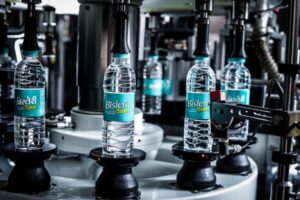
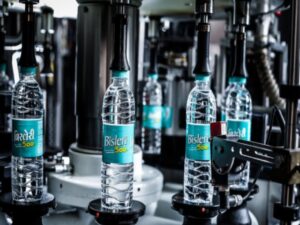
According to the company’s corporate information, its packaged drinking water undergoes a 10-stage purification process and 90 quality tests.
Bisleri reports that its distribution and manufacturing network includes:
- 143 operational manufacturing plants.
- More than 50,000 production batches annually.
- More than 6,000 distributors.
- Approximately 7,500 distribution trucks.
- Distribution operations across India and the United Arab Emirates.
The company’s beverage portfolio includes Bisleri packaged drinking water, Vedica Himalayan Spring Water and carbonated beverages such as Bisleri Limonata, Bisleri Pop and Bisleri Soda.
It also operates Bisleri@Doorstep, a direct-to-consumer platform through which customers can order its products.
These operational and quality-control figures are supplied by the company.
What the Clarification Means for Consumers
The latest statement provides additional information about the scope of the disputed batch and the company’s manufacturing operations.
According to Bisleri, the sale prohibition remains confined to Batch GO 270, with no affected inventory currently available in the market.
Consumers should distinguish between a regulatory finding involving a particular sample and a nationwide restriction affecting an entire brand.
At the same time, a company’s clarification should not be interpreted as a substitute for official regulatory findings.
Consumers purchasing packaged drinking water should check batch information, manufacturing dates, FSSAI licence details and packaging integrity. Any official product withdrawal or safety advisory should be followed.
Why Quality Transparency Matters for India’s Bottled Water Industry
The Bisleri dispute highlights the importance of consistent laboratory testing, effective product traceability and transparent communication between manufacturers, regulators and consumers.
For packaged drinking water businesses, batch-level monitoring plays an important role in identifying potential quality concerns and implementing targeted corrective measures.
The case also demonstrates why different laboratory findings require careful scientific assessment rather than conclusions based solely on individual test results or public statements.
As India’s packaged drinking water industry continues to expand, effective regulatory oversight and reliable quality-control systems will remain essential to maintaining consumer confidence.
Bisleri has reiterated that it intends to cooperate with the FSSAI while maintaining its position on the disputed findings.