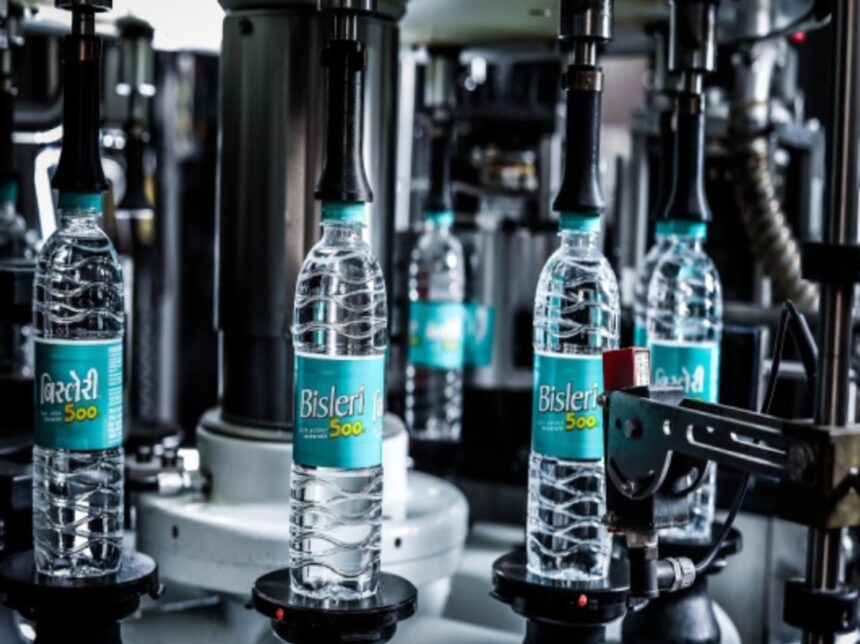
Bisleri International says the sale restriction applies only to Batch GO 270 manufactured in September 2025, maintaining that its Goa facility continues to operate normally and that no stock from the affected batch remains in the market.
Bisleri International has issued a clarification regarding the recent regulatory action by the Food Safety and Standards Authority of India (FSSAI), stating that the sale restriction is confined to a single production batch from its Goa manufacturing facility.
In a statement issued on November 24, 2026, the packaged drinking water manufacturer said it had not received any instructions from the food safety regulator to suspend operations at the facility.
The clarification comes amid growing attention to quality-control practices and regulatory compliance across India’s packaged drinking water industry.
See more of our coverage in your search results.
Add INDYASTORY on GoogleFSSAI Sale Restriction Applies to Batch GO 270
According to Bisleri, the regulatory restriction applies specifically to Batch GO 270, which was manufactured at its Goa facility on September 27, 2025.
The company stated that no inventory from the identified batch is currently available in the market.
Bisleri also maintained that the restriction does not extend to subsequent production batches or the overall operations of its Goa manufacturing plant.
The company’s clarification distinguishes the batch-specific sale prohibition from a wider suspension of manufacturing activities.
Bisleri Addresses Bromate and PAH Test Findings
Responding to concerns surrounding the laboratory findings, Bisleri said the FSSAI had clarified on November 23 that bromate concentrations in the retested sample were below the permissible limit.
See more of our coverage in your search results.
Add INDYASTORY on GoogleHowever, a separate finding involving polycyclic aromatic hydrocarbons (PAHs) remains part of the regulatory dispute.
According to the company, six samples collected from the same source had initially passed laboratory examinations. During subsequent testing, one sample associated with Batch GO 270 reportedly recorded a PAH concentration of 0.144 micrograms per litre.
Bisleri said another sample from the same batch complied with all tested parameters.
See more of our coverage in your search results.
Add INDYASTORY on GoogleThe company maintained that it had raised concerns regarding the differences in laboratory findings and requested further PAH testing in February 2026.
The reported discrepancies remain relevant to the ongoing regulatory matter. Bisleri’s account of the findings does not independently establish the outcome of the proceedings.
What Are PAHs and Bromate in Drinking Water?
Polycyclic aromatic hydrocarbons are a group of chemical compounds commonly associated with incomplete combustion, industrial processes and environmental contamination.
Certain PAHs may pose health risks depending on their chemical composition, concentration and duration of exposure.
Bromate, meanwhile, can form as a by-product when ozone reacts with naturally occurring bromide during water purification.
Food safety regulations prescribe chemical and microbiological requirements for packaged drinking water to minimise potential health risks.
Laboratory findings must be interpreted alongside applicable safety standards, testing methods and verified sample records. A finding involving one production batch does not automatically establish the safety status of an entire brand’s product portfolio.
All 143 Bisleri Plants Remain Operational, Company Says
Bisleri stated that all 143 manufacturing plants across India remain fully operational and continue to comply with applicable FSSAI regulations.
The company also said samples collected from subsequent production at its Goa facility had met prescribed food safety requirements.
According to Bisleri, no further adverse PAH findings had been recorded in samples tested by the regulator across its manufacturing facilities since the company raised the matter in February 2026.
These statements represent the company’s position and remain subject to independent regulatory verification.
Bisleri Pledges Cooperation With Food Safety Authorities
The bottled water manufacturer said it would continue cooperating with the FSSAI and present its position during any applicable regulatory or legal proceedings.
Bisleri also urged consumers to rely on verified information and indicated that it could pursue legal remedies against claims it considers false or misleading.
The company has maintained that its packaged drinking water products meet applicable safety requirements.
The regulatory proceedings should not be interpreted as a final judicial determination of wrongdoing.
What the Development Means for India’s Bottled Water Industry
The dispute has renewed attention to manufacturing standards, laboratory testing, product traceability and consumer confidence within India’s packaged drinking water sector.
Bisleri is one of the country’s largest bottled water brands, operating in a competitive market that includes Kinley, Aquafina, Bailley and numerous regional manufacturers.
As demand for packaged drinking water grows, manufacturers face increasing expectations to maintain transparent quality-assurance processes and consistent compliance with food safety regulations.
Batch identification and traceability are particularly important because they allow regulators and manufacturers to identify affected products without unnecessarily extending restrictions to unrelated production.
What Consumers Should Know
Consumers purchasing packaged drinking water should check the manufacturer’s FSSAI licence details, batch number, manufacturing information and packaging integrity.
Bottles with damaged seals, visible contamination or compromised packaging should be avoided.
Consumers should also follow official advisories issued by the food safety regulator rather than relying exclusively on unverified social media claims.
Bisleri has stated that no stock from Batch GO 270 remains available in the market. Independent confirmation of the batch’s distribution and withdrawal status was not available for this report.
What Happens Next?
Further developments will depend on the regulatory process, supporting laboratory evidence and any legal proceedings involving Bisleri and the food safety authorities.
While the company maintains that its Goa facility and nationwide manufacturing network remain operational, the disputed laboratory findings continue to highlight the importance of effective quality control and transparent regulatory oversight.