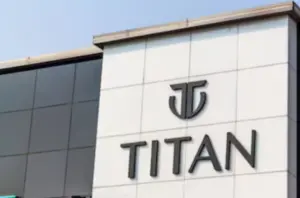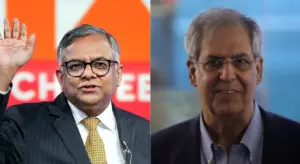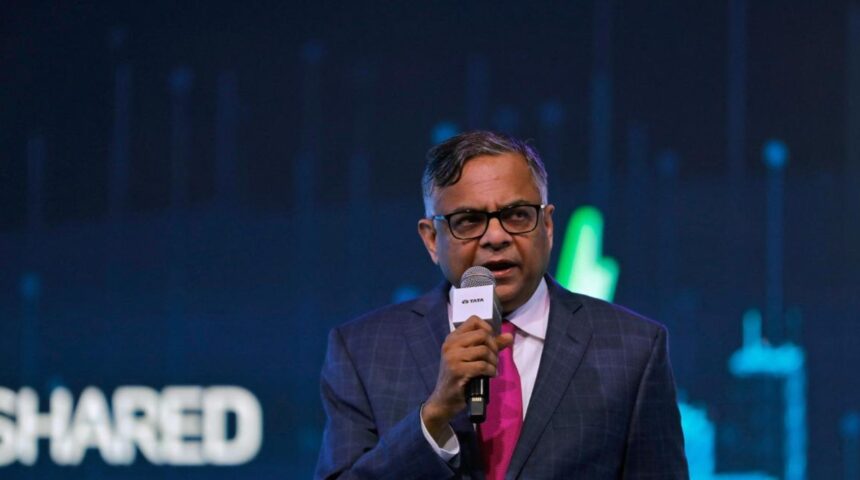
Tata Trusts has taken its dispute over the reappointment of Tata Sons chairman N. Chandrasekaran to the Bombay High Court, marking a significant escalation in the corporate governance differences within the Tata Group.
The legal challenge centres on a September 17, 2026, decision by the Tata Sons board approving Chandrasekaran’s third term as chairman for another five years, beginning in February 2027.
Tata Trusts, which collectively holds approximately 66% of Tata Sons, has questioned the validity of the board resolution, alleging that the appointment process violated the company’s Articles of Association.
According to reporting by The Hindu, two separate suits have been filed challenging the decision, with a hearing scheduled for November 27, 2026, at 3 p.m.
See more of our coverage in your search results.
Add INDYASTORY on GoogleTata Trusts Challenges Chandrasekaran’s Third Term
The Sir Dorab Tata Trust (SDTT) and RD Tata Trust (RDTT) have reportedly initiated separate legal proceedings against Tata Sons and six of its directors, including Noel Tata.
The trusts have sought to invalidate the September 17 board resolution, arguing that the decision to extend Chandrasekaran’s tenure did not comply with the company’s internal governance requirements.
The Sir Dorab Tata Trust has reportedly sought damages of ₹50 crore, while RD Tata Trust has sought ₹15 crore, along with interest at 18%.
The legal proceedings follow a decision by the two trusts on November 25, 2026, authorising action against the board’s approval of Chandrasekaran’s reappointment.
The allegations remain subject to judicial examination and should not be interpreted as an established finding of wrongdoing.
See more of our coverage in your search results.
Add INDYASTORY on GoogleDisagreement Over Tata Sons’ Articles of Association
At the centre of the dispute is the interpretation of Tata Sons’ Articles of Association, which establishes the framework governing the company’s internal administration and decision-making processes.
The trusts contend that their nominated directors must vote in agreement on matters requiring an affirmative vote under the company’s governance provisions.
During the September board meeting, Noel Tata reportedly voted against the resolutions, while Venu Srinivasan voted in favour.
See more of our coverage in your search results.
Add INDYASTORY on GoogleThe trusts argue that the disagreement between their representatives affected the validity of the board’s decision to approve Chandrasekaran’s third term.
The court’s interpretation of these provisions could have implications for the relationship between Tata Sons’ board and its majority shareholders.
Bombay High Court Takes Up Corporate Governance Dispute
The matter was initially mentioned before Justice Arif S. Doctor, who reportedly recused himself from hearing the case.
It was subsequently placed before Justice Abhay Ahuja, with a hearing scheduled for the afternoon of November 27.
Senior advocate Abhishek Manu Singhvi is reportedly representing the trusts in the proceedings.
The trusts have also sought interim relief to prevent Tata Sons from implementing the disputed reappointment or adopting resolutions without the affirmative votes they contend are required under the Articles of Association.
An additional request concerns the potential use of the chairman’s casting vote during the forthcoming Tata Sons board meeting if disagreements arise between the trusts’ nominated directors.
Tata Sons Board Meeting Scheduled for November 30
The legal challenge comes ahead of a significant Tata Sons board meeting, reportedly rescheduled for November 30, 2026.
Among the matters expected to be considered is the potential listing of Tata Sons, an issue that has reportedly generated differences between the company’s leadership and Tata Trusts.
Tata Sons is reportedly proceeding with listing-related formalities in connection with regulatory requirements established by the Reserve Bank of India (RBI).
However, Tata Trusts is understood to oppose the proposed listing.
The legal proceedings could influence the governance environment surrounding the upcoming board meeting, depending on whether the court grants any interim relief.
Why the Tata Sons Dispute Matters
Tata Sons serves as the principal holding and promoter company of the Tata Group, whose businesses operate across industries including information technology, automobiles, steel, consumer products, aviation and hospitality.
Tata Trusts’ majority ownership gives the charitable institutions an important position within the group’s ownership and governance structure.
The dispute raises broader questions about shareholder rights, board independence, affirmative voting provisions and the authority of corporate leadership.
It also highlights the importance of clearly defined governance arrangements when the interests of controlling shareholders and board members differ.
What Happens Next?
The immediate focus remains on the Bombay High Court proceedings and whether the trusts obtain interim protection concerning the September board resolution and the forthcoming board meeting.
Any substantive judicial decision could provide greater clarity regarding Chandrasekaran’s reappointment and the interpretation of Tata Sons’ governance provisions.
The outcome may also have implications for the company’s leadership continuity and its future corporate strategy, including discussions surrounding a potential public listing.
The outcome of the November 27 hearing and the defendants’ responses were not available in the source material reviewed for this article.