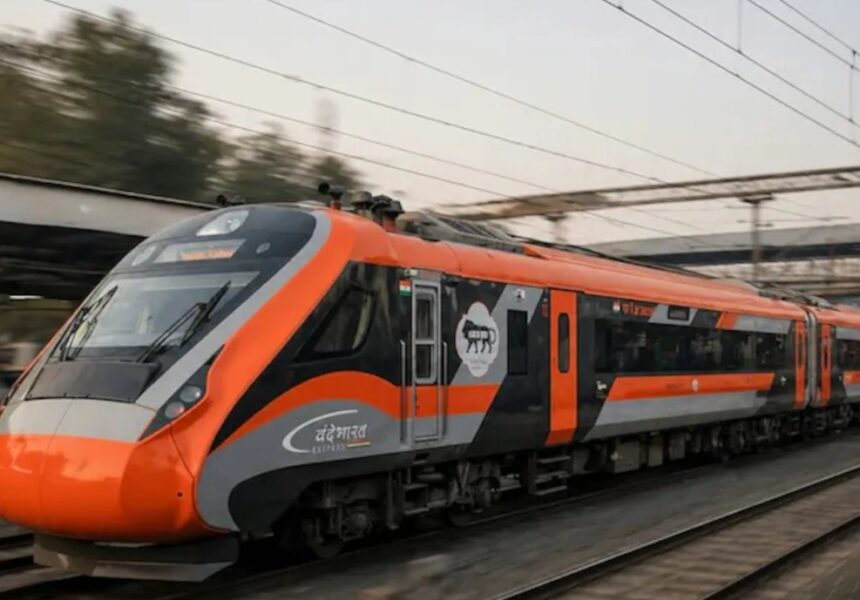
The Indian Railway Catering and Tourism Corporation (IRCTC) has reportedly introduced a simplified food menu on Vande Bharat sleeper trains as part of a pilot initiative aimed at improving catering quality, hygiene and passenger satisfaction.
The revised menu, implemented from November 1, 2026, reduces the number of items served during breakfast, lunch and dinner. The changes follow repeated passenger complaints regarding food quality and cleanliness on long-distance railway journeys.
According to a Hindustan Times report citing railway officials, the initiative is being tested across three Vande Bharat sleeper routes, with the possibility of expansion to other trains depending on passenger feedback.
The new catering approach draws inspiration from airline meal services, where a limited selection of dishes allows catering providers to concentrate on preparation standards and consistency.
See more of our coverage in your search results.
Add INDYASTORY on GoogleIRCTC Introduces Shorter Menu on Vande Bharat Sleeper Trains
Indian Railways is reportedly experimenting with a simplified catering model to strengthen food quality monitoring and improve the passenger dining experience.
The decision follows a verbal directive issued by the Ministry of Railways to various railway zones earlier in 2026 following complaints about onboard catering services.
Instead of offering an extensive selection of dishes, IRCTC is focusing on fewer meal components that may be easier to prepare, transport, store and serve consistently.
Railway officials believe that reducing menu complexity could help catering providers maintain better hygiene standards and strengthen quality control.
However, whether the revised approach improves passenger satisfaction will depend on the quality, freshness, portion sizes and nutritional balance of the meals served.
See more of our coverage in your search results.
Add INDYASTORY on GoogleThree Vande Bharat Sleeper Routes Included in Pilot Project
According to the supplied reporting, the revised catering system is being implemented on Vande Bharat sleeper services operating across the following routes:
- Mumbai–Bengaluru
- Howrah–Kamakhya
- New Delhi–Varanasi Junction
IRCTC is reportedly collecting passenger feedback to assess the effectiveness of the new catering arrangement.
If the pilot project delivers satisfactory results, Indian Railways could consider introducing similar meal arrangements on additional long-distance trains.
See more of our coverage in your search results.
Add INDYASTORY on GoogleNo confirmed nationwide implementation schedule has been announced in the supplied report.
New Breakfast Menu on Mumbai–Bengaluru Vande Bharat Sleeper Train
Passengers travelling on the Mumbai–Bengaluru Vande Bharat sleeper service will reportedly receive a selection of traditional Indian breakfast options under the revised catering arrangement.
The updated breakfast menu includes idli and vada served with chutney and sambar, poha or upma.
These dishes represent familiar breakfast choices that can be prepared in standardised portions by catering providers.
The revised approach reduces the number of additional items previously included in breakfast meals.
The availability of particular dishes may depend on the service, catering arrangement and passenger meal preferences.
Revised Lunch and Dinner Menu
The new lunch and dinner arrangements reportedly focus on essential meal components rather than multiple side dishes.
Passengers will receive chapati, rice, dal and a main course, with vegetarian or chicken options available according to the reported menu.
Several supplementary dishes previously included in railway meals have been removed.
The simplified menu is intended to help catering providers concentrate on the quality of the main meal rather than preparing and managing numerous individual food items.
Which Food Items Has IRCTC Removed?
Several breakfast and supplementary meal items have reportedly been discontinued under the revised catering model.
Items removed from the earlier menu include:
- Soup
- Omelettes
- Omelette sandwiches
- Vegetable sandwiches
- Buttermilk
- Chocolates
- Dry vegetable preparations
- Curd
- Salads
- Pickles
- Sweets
The changes represent a substantial reduction in the variety of food items previously offered to passengers.
However, the precise menu may vary between railway routes and catering service providers.
Meal Weight Reduced to Approximately 450–500 Grams
Another significant change concerns the overall quantity of food served to passengers.
According to the supplied report, the revised meal weight is approximately 450–500 grams, compared with the earlier quantity of around 700–750 grams.
Railway officials reportedly expect smaller and simpler meals to make food preparation and quality monitoring more manageable.
A reduction in meal size could also potentially help limit unnecessary food waste during railway journeys.
Nevertheless, passengers may have concerns about whether the reduced portions provide sufficient food during overnight and long-distance travel.
Details regarding any corresponding changes to catering charges have not been established in the supplied reporting.
IRCTC Works With Established Catering Companies
IRCTC is reportedly collaborating with established hospitality and catering companies to support its revised onboard food service model.
The companies identified in the supplied report include the Mayfair Group, TajSATS and Sarovar Portico Group.
Mayfair Group is reportedly involved in catering arrangements associated with the Kamakhya route, while TajSATS is involved in Howrah operations. Sarovar Portico Group is expected to support catering services for the other two Vande Bharat sleeper routes.
The involvement of established catering providers could help improve standardisation, food preparation procedures and operational consistency.
However, the precise contractual arrangements and responsibilities of each provider require confirmation from IRCTC.
Why Indian Railways Is Reviewing Onboard Food Quality
Providing consistent food quality across long-distance railway services presents several operational challenges.
Railway catering providers must manage food preparation, packaging, transportation, temperature control and timely distribution while meeting hygiene requirements.
Offering a large number of dishes can increase the complexity of these operations.
A simplified menu could potentially make it easier to maintain consistent preparation standards, monitor food handling and identify quality-related problems.
Nevertheless, reducing the number of dishes alone does not guarantee better food quality. Effective supervision, hygienic kitchen facilities, safe transportation and regular inspections remain essential.
How Passengers Can Report Railway Food Complaints
Passengers experiencing problems with food quality, hygiene or catering services can raise complaints through Indian Railways’ official grievance channels.
The RailMadad platform allows passengers to submit railway-related complaints and provide relevant journey details.
Travellers can also contact the railway assistance helpline at 139.
When reporting catering-related problems, passengers should retain relevant booking information, food packaging details and photographs where appropriate.
Passenger feedback could play an important role in determining whether the revised catering model is extended to additional railway services.
Will Other Indian Railways Trains Receive the New Menu?
The revised catering arrangement is currently described as a pilot initiative for Vande Bharat sleeper trains.
IRCTC is reportedly monitoring passenger responses and evaluating whether the simplified menu achieves its intended objectives.
If the initiative demonstrates improvements in food quality, hygiene and passenger satisfaction, a similar approach could be considered for other premium and long-distance railway services.
However, no official decision regarding a wider rollout has been confirmed.
For passengers, the success of the revised menu will ultimately depend on whether Indian Railways can deliver fresh, hygienic and adequately portioned meals while maintaining value for money.