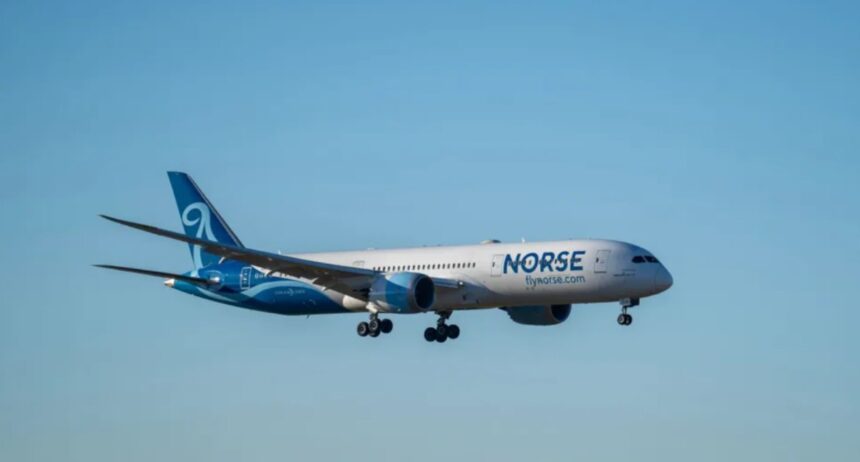
Norwegian low-cost airline Norse Atlantic Airways has suspended all flight operations as it struggles to secure emergency funding, leaving passengers facing cancellations and uncertainty across its international network.
The carrier has warned that it could file for bankruptcy if efforts to obtain immediate financial support prove unsuccessful.
The suspension affects long-haul services connecting Europe with destinations across North America, Asia and Africa, including flights from London Gatwick, Oslo and Rome.
The development represents a significant setback for the low-cost long-haul aviation sector, which continues to face financial pressure from elevated operating expenses and rising jet fuel prices.
See more of our coverage in your search results.
Add INDYASTORY on GoogleNorse Atlantic Airways Faces Critical Financial Crisis
Norse Atlantic Airways disclosed its deteriorating financial position in a statement to the Oslo Stock Exchange, warning that additional short-term funding was necessary to maintain operations.
The airline subsequently suspended flights while continuing discussions with potential investors regarding a possible takeover and financing arrangement.
According to the company’s statement cited in BBC reporting, its board intends to initiate bankruptcy proceedings if sufficient emergency funding cannot be secured quickly.
The airline had reportedly been exploring opportunities to find a buyer since July 2026.
Although the suspension represents a serious escalation of its financial difficulties, the airline had not formally declared bankruptcy at the time of the supplied report.
See more of our coverage in your search results.
Add INDYASTORY on GoogleInternational Flights Cancelled Across Multiple Destinations
Norse Atlantic operates a fleet of 12 Boeing 787 aircraft, serving international destinations through several European airports.
Before suspending operations, the carrier was advertising flights from London to destinations including Orlando, Cape Town, Bangkok and Phuket.
The sudden suspension has disrupted travel arrangements for passengers preparing to depart and those already overseas who were relying on Norse Atlantic for their return journeys.
See more of our coverage in your search results.
Add INDYASTORY on GoogleAffected travellers may face additional expenses when arranging replacement flights, particularly on routes with limited availability.
BBC reporting described passengers struggling to obtain assistance from the airline, with some facing substantial additional costs to secure alternative travel arrangements.
Pakistan International Airlines Also Affected
The operational disruption has extended beyond Norse Atlantic’s own passenger network.
Pakistan International Airlines (PIA), which had been leasing aircraft and crews from the Norwegian carrier, was also affected by the suspension.
PIA reportedly cancelled services between London and Islamabad, as well as Manchester and Lahore.
The Pakistani airline subsequently announced that its UK services would be operated using aircraft from its own fleet.
The incident highlights the operational risks associated with aircraft leasing arrangements when an airline providing aircraft and crew encounters financial difficulties.
Passengers travelling with PIA should check their flight status directly with the airline before departing for the airport.
Rising Jet Fuel Prices Worsen Financial Difficulties
Norse Atlantic Airways was established in 2021 to offer affordable long-haul flights between Europe and international destinations.
Its business model sought to address demand for budget-friendly intercontinental travel following Norwegian Air Shuttle’s withdrawal from long-haul operations during the COVID-19 pandemic.
However, maintaining profitability has remained a significant challenge.
The airline reportedly recorded a loss of $94.6 million during the first half of 2026, while rising fuel prices placed additional pressure on its operating expenses.
Unlike many European airlines, Norse Atlantic reportedly did not use fuel hedging arrangements to protect itself against significant increases in jet fuel prices.
Fuel hedging allows airlines to reduce their exposure to future price fluctuations through financial agreements that establish prices in advance.
Without such protection, airlines can experience substantial increases in operating costs when global energy prices rise unexpectedly.
The increase in fuel prices associated with the conflict involving Iran reportedly intensified the carrier’s existing financial difficulties.
What Should Norse Atlantic Passengers Do?
Passengers with existing Norse Atlantic bookings should avoid voluntarily cancelling their reservations without first understanding their refund rights.
UK consumer organisation Which? has advised customers to wait for the airline to formally cancel affected flights rather than cancelling bookings themselves, as voluntary cancellations could affect their eligibility for refunds.
Passengers should consider the following steps:
- Check their booking status and retain all airline communications.
- Contact the airline regarding cancelled flights and available refund options.
- Speak with their credit card or debit card provider about potential payment recovery.
- Contact their travel insurance provider if they are stranded overseas.
- Approach their tour operator if flights were purchased as part of a package holiday.
- Retain receipts for replacement flights, accommodation and other necessary expenses.
Refund eligibility and financial protection depend on the passenger’s location, payment method, booking arrangements and applicable consumer protection laws.
Can Passengers Recover Their Money if Norse Atlantic Goes Bankrupt?
If Norse Atlantic ultimately enters bankruptcy proceedings, passengers’ ability to recover ticket costs could depend on how their reservations were made.
Eligible UK customers who purchased tickets using a credit card may have protection under Section 75 of the Consumer Credit Act, subject to the relevant qualifying conditions.
Debit card customers may also be able to request a chargeback through their payment provider, although approval is not guaranteed.
Travellers who purchased qualifying ATOL-protected package holidays may have additional financial protection.
However, standalone airline tickets are not automatically covered by ATOL protection.
Passengers should contact their payment providers, travel agents and insurers to understand the options available for their individual circumstances.
Why Low-Cost Long-Haul Airlines Struggle to Remain Profitable
Low-cost long-haul aviation has attracted considerable passenger interest by offering relatively affordable international flights.
However, the financial structure of long-distance aviation presents challenges that differ from those faced by short-haul budget airlines.
Long-haul operators must manage substantial fuel expenditure, aircraft financing, maintenance requirements, airport charges and crew-related expenses.
They also face competition from established international airlines with extensive route networks, connecting services and diversified revenue streams.
Maintaining high passenger occupancy while offering competitive ticket prices can become particularly difficult when fuel prices increase or travel demand fluctuates.
The financial difficulties facing Norse Atlantic demonstrate how quickly rising operating expenses can place pressure on airlines with limited financial reserves.
What Happens Next for Norse Atlantic Airways?
The airline’s immediate priority is securing sufficient financing to address its financial obligations and potentially resume flight operations.
A successful investment or takeover agreement could provide an opportunity to restructure the business, although no such arrangement had been confirmed in the supplied reporting.
If emergency funding cannot be secured, the company has indicated that bankruptcy proceedings may follow.
For passengers, the immediate concern remains obtaining reliable information about cancelled flights, alternative travel arrangements and potential refunds.
Norse Atlantic’s future will depend on the outcome of its financing negotiations and its ability to establish a financially sustainable operating structure.