The proposed transfer of international flights from Mumbai’s Chhatrapati Shivaji Maharaj International Airport to Navi Mumbai has sparked disagreements over airport capacity, operational costs, connectivity and airline slot rights. Here’s why the plan faces resistance.
Mumbai’s aviation expansion plans have become the centre of a significant disagreement between airport operators and international airlines, with Emirates and Air France among the carriers raising concerns about the proposed relocation of flights to Navi Mumbai International Airport (NMIA).
At the heart of the dispute is a redevelopment project at Chhatrapati Shivaji Maharaj International Airport (CSMIA), operated by Adani-owned Mumbai International Airport Limited (MIAL).
The airport operator wants to redevelop the ageing Terminal 1 while managing passenger traffic through a combination of existing infrastructure and the newer airport in Navi Mumbai.
See more of our coverage in your search results.
Add INDYASTORY on GoogleHowever, airlines are concerned that moving established international services could disrupt flight connections, increase operating expenses and threaten access to valuable airport slots.
The disagreement has also drawn the attention of the Union Ministry of Civil Aviation, with airline representatives seeking regulatory intervention.
Why Does Adani Want to Shift Flights to Navi Mumbai Airport?
The proposed changes are linked to the planned demolition and reconstruction of Terminal 1-B at Mumbai airport.
The redevelopment is intended to modernise infrastructure and increase the terminal’s annual passenger-handling capacity.
According to the reported project plan, Terminal 1’s capacity would eventually rise from approximately 15 million passengers per annum (mppa) to 20 mppa, an increase of about 33%.
See more of our coverage in your search results.
Add INDYASTORY on GoogleThe work is expected to extend into 2029-30.
During construction, however, the existing airport would need to accommodate passengers and flight operations affected by the reduction in terminal capacity.
To manage those constraints, MIAL proposed reducing international operations at Terminal 2 and moving selected services to Navi Mumbai International Airport.
See more of our coverage in your search results.
Add INDYASTORY on GoogleThe operator’s initial proposal involved approximately 265 of the 770 weekly international flight operations, representing roughly one-third of the reported total.
Airlines were asked to submit voluntary transition plans outlining how they would adjust their operations.
The airport operator also indicated that it could make capacity decisions using available operational information if carriers failed to provide suitable plans.
Why Are Emirates and Air France Opposing the Proposal?
For international airlines already operating from Mumbai’s established airport, relocating flights is more complicated than simply changing the destination airport.
Emirates and Air France-KLM have raised concerns about the operational and commercial consequences of dividing their services between CSMIA and Navi Mumbai.
One major problem is that the two airports are approximately 40 kilometres apart.
An airline operating at both locations may need separate ground-handling arrangements, additional logistical coordination and revised passenger connection procedures.
Services such as aircraft catering, cargo handling and crew transportation must also be considered.
For an airline launching an entirely new route from Navi Mumbai, these arrangements can be planned from the beginning.
For an established carrier with existing operations at CSMIA, however, a partial relocation could require significant changes to its business model.
These differences help explain why international airlines have been cautious about accepting the airport operator’s proposal.
Emirates Questions Navi Mumbai Airport’s Operational Readiness
Emirates has reportedly expressed a preference for maintaining its existing operations at Chhatrapati Shivaji Maharaj International Airport.
The Dubai-based airline operates a substantial international service linking Mumbai with its wider network.
According to the supplied report, Emirates operated 28 weekly flights from Mumbai during the period under discussion.
In October 2026, Essa Sulaiman Ahmad, the airline’s senior vice-president for West Asia and Indian Ocean Commercial Operations, reportedly raised questions about whether Navi Mumbai had sufficient facilities to support its requirements.
The concerns included cargo warehousing, catering infrastructure and other services essential for international airline operations.
These facilities are particularly important for carriers handling large passenger volumes and connecting traffic.
Even if airport terminals and runways are ready, airlines must evaluate whether the wider operational infrastructure can reliably support their schedules.
Emirates’ reservations therefore extend beyond the physical distance between the two airports.
Air France-KLM Raises Concerns About Split Operations
Air France-KLM has also reportedly objected to the possibility of dividing its existing Mumbai operations between separate airports.
The airline group’s concerns focus on operational efficiency and the difficulty of maintaining coordinated services at two locations.
International carriers develop schedules around aircraft availability, passenger demand, onward connections and established airport infrastructure.
Moving even part of an operation may affect the economics of a route.
Separate facilities can increase staffing and coordination requirements, while passengers connecting between airlines may face additional complications.
For carriers that depend on predictable schedules and established airport partnerships, uncertainty surrounding the relocation process can become a significant business concern.
Airlines Challenge the Proposed Reduction in Airport Capacity
The Airport Operators’ Committee (AOC)-Mumbai has reportedly questioned the justification for reducing Terminal 1’s annual passenger capacity by five million.
In a communication addressed to the Ministry of Civil Aviation, the committee characterised the proposed reduction as a unilateral decision.
It also disputed elements of the airport operator’s capacity assessment.
The disagreement concerns not only how much passenger traffic can be accommodated during redevelopment but also who should participate in deciding how that capacity is allocated.
Airlines argue that changes affecting established operations should follow a transparent consultation process.
This is particularly important at a busy international airport where access to suitable departure and arrival times can significantly influence route profitability.
What Are Historical Airport Slots, and Why Do Airlines Want Them Protected?
Airport slots are permissions allowing airlines to schedule arrivals and departures at designated times at airports where demand for runway and terminal capacity is constrained.
For established airlines, these timings are commercially valuable.
They influence passenger connections, aircraft utilisation, crew schedules and the overall viability of routes.
Historical slot rights generally allow qualifying carriers to retain previously operated slots under applicable allocation rules.
However, those rights are subject to relevant regulations and operational constraints rather than being unconditional guarantees.
In the Mumbai dispute, airlines have sought confirmation that their existing slot allocations will be protected despite the planned redevelopment.
According to the supplied account, the AOC urged the government to ensure that airlines received appropriate confirmation for the Summer 2027 scheduling season, beginning in late March.
The dispute therefore involves both airport construction planning and the regulatory framework governing access to limited aviation infrastructure.
What Happened During the October 2026 Negotiations?
The disagreement developed through a series of discussions between airport authorities, airline representatives and government officials.
MIAL initially sought transition plans from airlines by October 6, 2026.
After carriers raised objections, the Ministry of Civil Aviation reportedly intervened and the proposed capacity reduction was deferred.
On October 14, airport authorities and airline representatives reportedly agreed to consider the changes for the Summer 2027 schedule instead of implementing them immediately.
Senior Adani Airports executives subsequently assured airlines that operational disruptions would be minimised and historical slot concerns would be addressed.
However, disagreements remained over the number of flights that would need to move.
At a meeting on October 28, MIAL reportedly reiterated the need to reduce passenger-handling capacity by approximately five million annually.
The operator indicated that proposed shifts by Indian carriers accounted for around three million passengers, leaving additional capacity adjustments unresolved.
Which Indian Airlines Have Considered Moving Flights?
Unlike several foreign airlines, some Indian carriers indicated that they were preparing to begin selected international operations from Navi Mumbai.
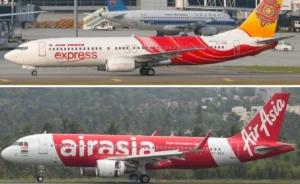
According to the reported plans, IndiGo, Air India Express and Akasa Air had identified services that could operate from the newer airport beginning in December 2026.
Potential destinations included cities in West Asia, such as Jeddah, Muscat, Riyadh, Dammam, Doha and Sharjah.
These plans reflected efforts to distribute aviation activity across the Mumbai metropolitan region.
However, an airline announcing an intended transition does not necessarily mean all proposed services have commenced.
Actual flight schedules, operating airports and launch dates should be checked against current airline announcements before passengers make travel arrangements.
Why Is the November 2026 Slot Allocation Timeline Important?
The timing of the dispute became particularly sensitive because of international airline scheduling requirements.
Under the relevant scheduling process, airlines needed clarity about available capacity and historical slots ahead of the Summer 2027 season.
The supplied report identifies November 3 as the deadline set by MIAL for submitting revised transition plans.
It also identifies November 5 as the scheduled date for communicating slot allocation decisions.
Both dates have now passed.
However, the information supplied does not establish whether all airlines submitted their plans, whether the slot decisions were communicated or whether the remaining disagreements were resolved.
Those developments require confirmation from the airport operator, airlines or aviation authorities.
Any subsequent regulatory action would also need separate verification.
Why Is Redeveloping Mumbai Airport’s Terminal 1 Necessary?
MIAL has argued that the redevelopment cannot be postponed indefinitely because of concerns about the condition of the existing terminal infrastructure.
According to the supplied account, an engineering assessment by IIT Bombay identified structural deterioration, including corrosion, concrete damage and cracking in parts of Terminal 1.
Earlier regulatory documentation from the Airports Economic Regulatory Authority also discussed structural concerns and the need for redevelopment.
The project was subsequently delayed during the COVID-19 pandemic.
From the airport operator’s perspective, the proposed redevelopment is therefore a long-term infrastructure requirement rather than simply an opportunity to redistribute flights.
MIAL has maintained that the temporary reduction would affect only a limited proportion of the airport’s overall passenger-handling capacity.
Using the reported figures, a reduction of five million passengers against a stated annual capacity of 55 million represents approximately 9%.
Airlines, however, argue that even a relatively small reduction in total capacity can disproportionately affect particular routes and operating schedules.
How Could the Airport Shift Affect Passengers?
For travellers, the most immediate concern is the possibility of having connecting flights at different airports.
A passenger arriving on a domestic flight at CSMIA and departing internationally from Navi Mumbai may need to arrange a ground transfer between the two locations.
The approximately 40-kilometre separation could create additional travel expenses and increase connection times, depending on road conditions and available transport.
Passengers with separate bookings may face particular challenges if sufficient transfer time has not been allowed.
Other issues include baggage arrangements, check-in deadlines and changes to airport-specific transport services.
However, these difficulties would not affect every traveller equally.
Passengers whose entire journey operates from the same airport would not necessarily face the same problems.
Transport Services Planned Between Mumbai’s Two Airports
To address accessibility concerns, airport authorities have announced or proposed several transport arrangements.
These include complimentary shuttle services between CSMIA and Navi Mumbai, alongside bus services connecting the new airport with important locations across Mumbai and Maharashtra.
Routes identified in the supplied report include Andheri, Bandra, Dadar, Colaba, Borivali and Pune.
Services associated with Chalo and the Maharashtra State Road Transport Corporation’s E-Shivai network have also been mentioned.
Their actual availability, departure frequency, journey times and fares should be confirmed before travel.
The effectiveness of these links will be important in determining whether passengers experience the two airports as parts of a coordinated aviation network or as separate facilities requiring substantial additional planning.