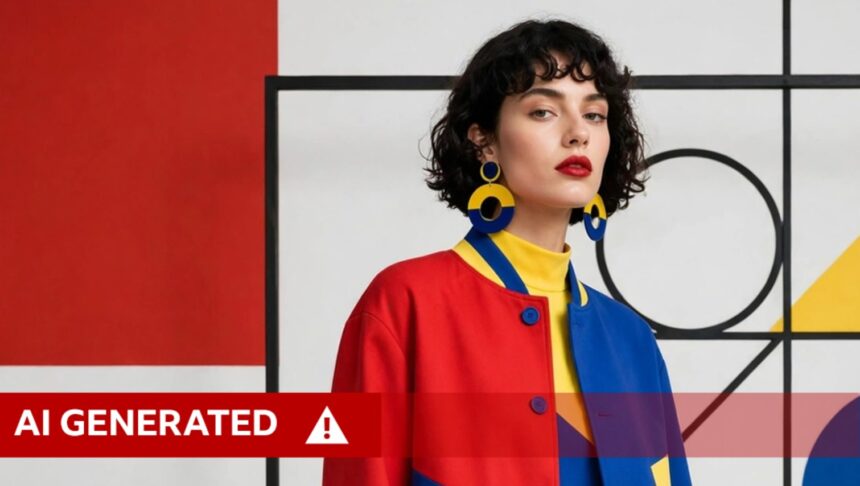
Meta has officially introduced Muse Image, its newest artificial intelligence-powered image generation model, positioning it as the company’s most advanced visual AI system to date. While the launch highlights significant advances in AI-generated media, it has also ignited widespread debate about privacy, consent, and the growing risks associated with digital identity manipulation.
The technology giant said Muse Image is the first media-generation model developed by Meta Superintelligence Labs and is designed to create and edit images with enhanced precision, improved instruction-following capabilities, and deeper integration across Meta’s ecosystem.
However, concerns emerged almost immediately after details of the feature revealed that users can generate AI-created images based on content from public Instagram accounts by referencing usernames in prompts.
How Muse Image Works
According to Meta, Muse Image can generate entirely new visuals, edit existing images, combine multiple references, and use Instagram content to provide social context for AI-generated creations.
See more of our coverage in your search results.
Add INDYASTORY on GoogleThe tool is currently available through the Meta AI application and Meta’s web platform. It is also being introduced within Instagram Stories in the United States, while limited availability has begun on WhatsApp in select regions. Expansion to Facebook is expected in the near future.
Meta says the system can accurately modify images based on user instructions, performing tasks such as:
- Enhancing image quality
- Removing visual obstructions like fog
- Restoring damaged photographs
- Creating artistic transformations
- Generating new visual compositions from references
The company also previewed Muse Video, a forthcoming AI-powered video generation platform that will extend similar capabilities to moving content.
Privacy Concerns Trigger Industry Debate
Despite the technological advancements, privacy advocates and technology analysts have questioned whether users fully understand how their public content may be utilized within Meta’s AI ecosystem.
A central concern is that the feature is enabled by default for public Instagram accounts. Critics argue that this opt-out model places the responsibility on users to discover and disable settings rather than requiring explicit permission beforehand.
See more of our coverage in your search results.
Add INDYASTORY on GoogleIndustry observers say this shifts the traditional understanding of a public social media profile.
Previously, public accounts primarily allowed content to be viewed by a broader audience. Under the new AI framework, publicly shared images may also become reference material for AI-generated content created by other users.
Experts warn that many users may remain unaware that their public photographs can potentially be incorporated into AI-generated creations unless they actively review and modify account settings.
See more of our coverage in your search results.
Add INDYASTORY on GoogleQuestions Around Consent and Control
Technology researchers note that consent remains one of the most sensitive issues surrounding generative AI platforms.
While Meta states that users maintain control through account settings that allow them to disable AI reuse of their content, critics argue that meaningful consent should require clear opt-in authorization rather than automatic participation.
The debate reflects a broader challenge facing the technology industry as AI systems increasingly rely on vast quantities of publicly available content to generate new media.
For creators, influencers, public figures, and professionals who depend on their online presence, the implications may extend beyond privacy concerns.
Their image, likeness, and personal brand often carry commercial value. Unauthorized AI-generated representations could potentially create confusion, reputational risks, or disputes over endorsement and authenticity.
Deepfake Risks Remain a Major Concern
Another issue attracting attention is the potential misuse of AI-generated images for impersonation and deceptive content.
Experts caution that making sophisticated image-generation tools widely accessible could accelerate the spread of realistic synthetic media, often referred to as deepfakes.
Although AI-generated content can be used for creative and productive purposes, critics argue that the same technology may be exploited to create misleading images, fabricated scenarios, or unauthorized representations of real individuals.
As AI tools become more realistic, distinguishing genuine photographs from generated content may become increasingly difficult for the average user.
This challenge could affect public trust in digital media, online communications, and visual evidence shared across social platforms.
Meta’s Safeguards and Watermarking Measures
Meta says it has implemented several safeguards intended to improve transparency around AI-generated content.
Muse Image incorporates a hidden Content Seal watermarking system that embeds provenance information into generated images. According to the company, the watermark remains intact even if images are cropped, compressed, resized, or shared through screenshots.
The company is also testing a detection tool that enables users to determine whether a piece of content contains Meta’s Content Seal watermark.
Meta plans to extend similar verification measures to AI-generated video content as Muse Video becomes available.
The company argues that these tools will help users identify AI-generated media and improve transparency across digital platforms.
Broader Implications for Social Media
The launch of Muse Image highlights a growing tension between AI innovation and user rights.
Technology companies are racing to develop increasingly powerful generative AI tools capable of creating highly realistic content. At the same time, regulators, privacy advocates, creators, and consumers are demanding stronger protections around consent, transparency, and identity usage.
As AI-generated media becomes more common, social media platforms may face increased pressure to provide clearer disclosures, stronger user controls, and more robust safeguards against misuse.
For now, Meta’s Muse Image represents both a major technological milestone and a test case for how the industry balances innovation with privacy, trust, and digital identity protection in the age of generative AI.
The discussions surrounding Muse Image are likely to influence future policy conversations not only within Meta’s platforms but across the broader technology sector as AI-generated content becomes an increasingly visible part of everyday online life.