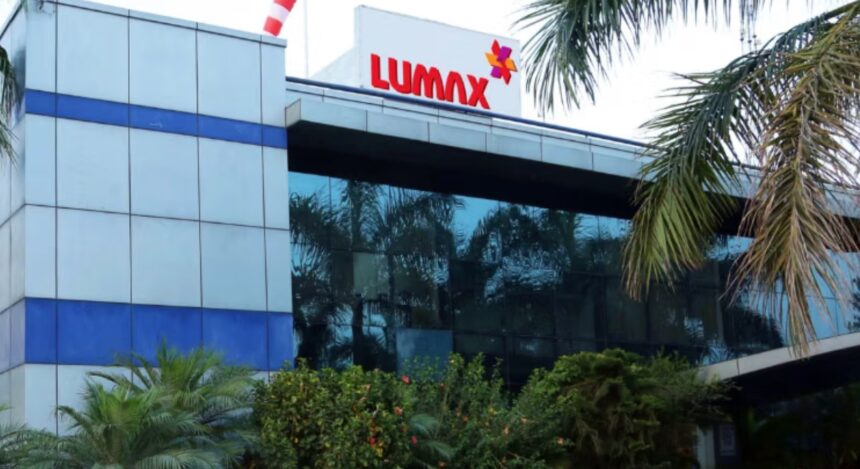
Lumax Auto Technologies is strengthening its position in the evolving automotive electronics space with the launch of a dedicated research and development facility in Bengaluru. The new center, named SHIFT (Smart Hub for Innovation and Future Trends), marks a strategic shift toward software-driven automotive systems and modular vehicle integration.
This move signals Lumax’s transition from a traditional Tier 1 supplier to a more integrated systems and software-focused automotive technology provider.
SHIFT Center Focused on Software and Mechatronics Integration
The SHIFT facility has been established to support Lumax’s growing focus on Software-Defined Vehicles (SDVs), where software plays a central role in vehicle functionality and architecture.
Key development areas include:
See more of our coverage in your search results.
Add INDYASTORY on Google- Body Control Modules (BCM)
- Electronic system integration
- Software-hardware pre-integration
- Mechatronics solutions for OEMs
According to the company, the center is already contributing to upcoming BCM programs scheduled to enter Start of Production (SOP) within 45–60 days.
Lean R&D Model With Focused Engineering Strength
Unlike large-scale engineering campuses, SHIFT operates as a lean innovation hub.
- Current engineering strength: ~20 engineers
- Annual operating cost: ₹5–7 crore
- Focus: High-efficiency R&D with targeted output
Lumax management has described this investment as relatively low-cost compared to its expected returns in the fast-growing automotive electronics segment.
The approach emphasizes agility over scale, allowing faster development cycles for software-driven components.
Supporting India-Specific Localization of Automotive Electronics
Beyond internal product development, the SHIFT center is also tasked with localizing global joint-venture technologies for India.
See more of our coverage in your search results.
Add INDYASTORY on GoogleThis includes:
- Adaptation of electronic control systems for Indian conditions
- Software customization for domestic OEM requirements
- Integration support for platform-specific architectures
This localization strategy is increasingly important as global automakers move toward modular and region-adapted vehicle platforms.
Strong Growth in Mechatronics Business
Lumax’s push into SDV-related technologies is already reflected in its financial performance.
See more of our coverage in your search results.
Add INDYASTORY on GoogleThe company’s mechatronics segment has recorded strong expansion, including:
- Revenue growth of ~150% year-on-year (FY 2025–26)
- Increase from ₹115 crore to ₹281 crore
- Order book of approximately ₹400 crore
This positions the segment as a key growth driver for Lumax’s future business mix.
Shift Toward Tier 0.5 System Integration Model
Lumax is aligning its long-term strategy with the industry-wide transition toward software-defined and modular vehicle architectures.
The company aims to evolve from a conventional Tier 1 supplier to a Tier 0.5 system integrator, which involves:
- Closer integration with OEM vehicle platforms
- Pre-assembled hardware-software systems
- Reduced complexity at final vehicle assembly stage
- Greater responsibility in system-level integration
This model reflects the changing structure of automotive supply chains, where suppliers increasingly participate earlier in the design and development process.
Why SDVs Are Reshaping the Supplier Ecosystem
The shift toward software-defined vehicles is forcing suppliers to rethink traditional roles.
Key industry trends include:
- Growing demand for integrated electronic modules
- Increasing importance of vehicle software architecture
- Faster development cycles driven by OTA updates
- Reduced reliance on purely mechanical components
Lumax’s SHIFT initiative positions the company to participate in this transformation rather than remain a component-only supplier.
Final Verdict
The launch of the SHIFT R&D center in Bengaluru marks a strategic milestone for Lumax Auto Technologies.
Rather than remaining confined to traditional automotive hardware, the company is actively building capabilities in software integration, electronic control systems, and modular vehicle architectures.
If executed successfully, this transition could significantly strengthen Lumax’s role in India’s evolving software-defined vehicle ecosystem and position it as a more integrated technology partner for global automakers.