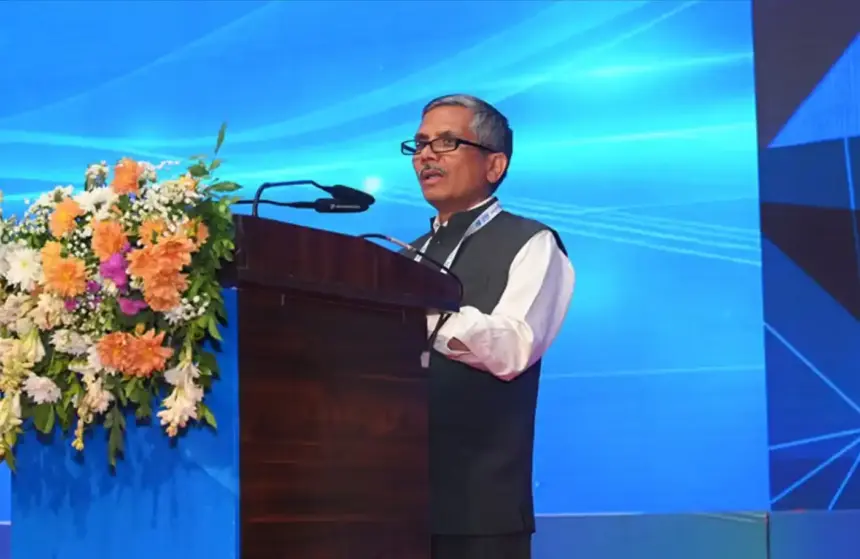
India’s automotive testing ecosystem is undergoing a rapid transformation, with the country potentially positioned to match Europe’s capabilities within the next five years, according to Dr. Nagesh Walke, Senior Director at ARAI.
Speaking at the 19th Symposium on International Automotive Technology (SIAT 2026) in Pune, Walke highlighted how testing infrastructure has become central to India’s ambition of becoming a global automotive development hub.
Testing Now at the Core of Automotive Development
According to ARAI, testing has evolved from a back-end validation process into a core pillar of modern vehicle development.
Key drivers include:
See more of our coverage in your search results.
Add INDYASTORY on Google- Stricter global safety and emissions regulations
- Rising customer expectations for reliability and performance
- Shortening product development cycles
- Increasing complexity of software-defined vehicles
Walke emphasized that modern development is no longer sequential but concurrent, where simulation, design, and physical testing happen in parallel.
SIAT 2026 Showcases India’s Expanding Testing Ecosystem
This year’s SIAT event highlighted the growing importance of validation technologies.
The symposium featured dedicated zones for:
- Advanced ADAS testing systems
- Software-defined vehicle validation tools
- AI-driven automotive simulation platforms
- Startups and innovation-focused micro enterprises
- Academic and student research integration
According to ARAI, testing providers occupied the largest exhibition footprint at the event, reflecting rising industry demand.
Bridging India’s Infrastructure Gap With Europe
Despite progress, India still relies on overseas facilities—especially in Europe—for certain advanced validation processes, including:
See more of our coverage in your search results.
Add INDYASTORY on Google- High-end driving simulators
- Specialized crash testing
- Advanced EV battery validation systems
ARAI acknowledged that this dependency remains a gap, but it is actively being addressed through domestic infrastructure development.
Building India’s Advanced Testing Capabilities
ARAI is currently developing and expanding several key facilities, including:
- Crash test laboratories
- EV battery safety testing systems
- ADAS proving grounds
- High-end simulation platforms
These facilities are designed to enable Indian OEMs and Tier 1 suppliers to complete full validation cycles within the country.
See more of our coverage in your search results.
Add INDYASTORY on GoogleImportantly, some of these facilities are already attracting international automotive companies, including firms from Europe.
Five-Year Target for Self-Reliant Testing Ecosystem
ARAI estimates that India could achieve near-complete self-sufficiency in advanced automotive testing within a five-year timeframe.
According to Walke, the country is already closing critical capability gaps faster than expected, supported by:
- Government-backed infrastructure initiatives
- Industry collaboration
- Customs duty exemptions encouraging global usage
- Increasing private-sector participation
This combined push is accelerating India’s transition toward a globally competitive testing ecosystem.
India Emerging as a Global Testing Destination
Interestingly, the flow of testing demand is beginning to reverse in some areas.
Instead of only Indian companies going abroad, international manufacturers are now using Indian facilities for development and validation.
This shift is driven by:
- Cost advantages
- Improved infrastructure quality
- Policy support
- Expanding technical capabilities
SIAT’s Growing Global Importance
SIAT 2026 marked the largest edition of the symposium to date, both in scale and participation.
ARAI expects future editions to grow further, driven by:
- Increasing complexity of automotive technologies
- Stronger industry-academia collaboration
- Rising importance of validation ecosystems
- India’s expanding role in global automotive R&D
The symposium is increasingly becoming a central platform for automotive testing innovation in Asia.
Final Verdict
India’s automotive testing ecosystem is entering a decisive growth phase.
With ARAI expanding advanced facilities and global participation increasing, the country is moving rapidly toward reducing its dependence on overseas validation infrastructure.
If current momentum continues, India’s goal of matching Europe’s automotive testing capabilities within five years appears increasingly achievable rather than aspirational.