The U.S. Federal Reserve raised its benchmark interest rate by a quarter percentage point on Wednesday, September 16, 2026, according to the supplied report, citing persistent inflation and renewed pressure from higher energy prices.
The increase takes the Fed’s key policy rate to approximately 3.9%. The central bank’s latest projections also indicated that policymakers expect another rate increase later this year, potentially taking the rate to around 4.1%.
The decision marks the first reported increase in the benchmark rate since 2023 and comes as U.S. consumers continue to face elevated costs for housing, food and gasoline.
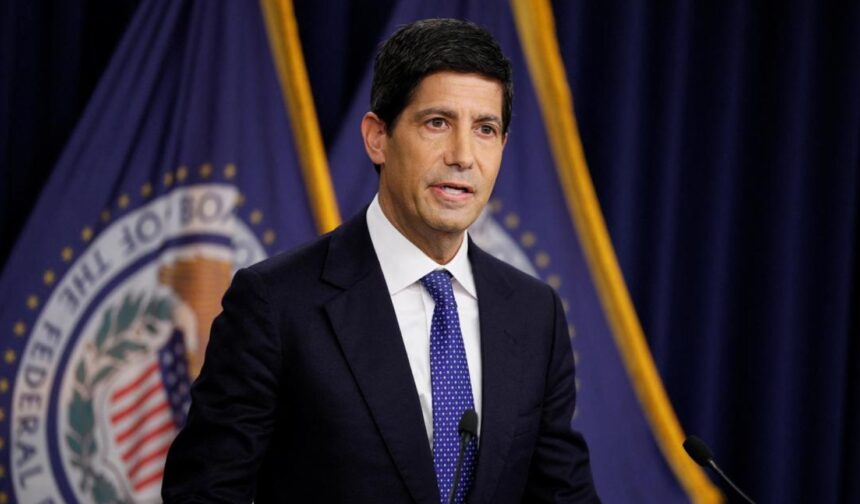
“The plain fact is that inflation is too high and has been for too long,” Fed Chair Kevin Warsh was quoted as saying at a post-meeting press conference.
See more of our coverage in your search results.
Add INDYASTORY on GoogleFed Signals Further Rate Increase
The Federal Open Market Committee (FOMC), the Fed’s policy-setting body, said the latest action was intended to bring inflation back toward its 2% target.
“Today’s policy action will support a timelier return” to the central bank’s 2% inflation goal, the Fed said in its statement, according to the supplied report.
Warsh said the economy had shown signs of gaining momentum since policymakers left interest rates unchanged in late July. At the same time, inflation has remained above the Fed’s target, with limited evidence of a sustained decline.
“We must be confident that underlying inflation is moving to our objective clearly and at sufficient speed,” Warsh said. He added that the FOMC had determined that this standard had not yet been met.
Morningstar chief U.S. economist Preston Caldwell said Warsh’s comments suggested that he could support additional rate increases at future meetings.
See more of our coverage in your search results.
Add INDYASTORY on GoogleHigher Gas Prices Add to Inflation Concerns
Energy prices have become another concern for U.S. policymakers.
According to the supplied report, Warsh said renewed fighting between the United States and Iran had contributed to higher gasoline prices and influenced the Fed’s decision to raise rates.
“There’s no hiding from hotspots around the world,” Warsh said.
See more of our coverage in your search results.
Add INDYASTORY on GoogleHigher energy prices can feed into headline inflation directly through fuel costs and indirectly through transportation and production expenses.
Warsh also pointed to moves by other central banks in response to global economic pressures and higher energy prices. The European Central Bank reportedly raised its key rate the previous week, while the Bank of Japan was expected to consider a rate increase on September 18.
What the Rate Hike Means for Borrowers
An increase in the federal funds rate can eventually affect a range of borrowing costs across the U.S. economy.
Mortgage rates, auto loans and credit-card borrowing can be influenced by changes in monetary policy, although the timing and size of those effects vary across financial products.
The latest decision therefore comes at a sensitive time for American households, with affordability remaining a major economic concern.
The supplied report also notes that economic affordability has become an important issue ahead of the 2026 U.S. midterm elections.
Fed’s Next Meetings Under Scrutiny
The Federal Reserve is scheduled to meet again in late October.
The supplied report says many economists expect policymakers to leave rates unchanged at that meeting, while futures-market pricing had indicated expectations of another increase by December.
Those expectations can change as new inflation, employment, economic-growth and energy-price data become available.
The Fed’s future decisions will therefore depend on how quickly inflation moves toward its 2% objective and whether economic activity and labor-market conditions warrant further monetary tightening.
Trump Calls for Lower Rates
U.S. President Donald Trump responded critically to the reported rate increase and renewed his call for lower borrowing costs.
In a social media post cited in the supplied report, Trump called for the Federal Reserve to cut interest rates “AND FAST.”
Trump has previously advocated lower interest rates as part of his economic agenda. The report also describes tensions between the White House and the Federal Reserve over monetary policy and the central bank’s independence.
Warsh was asked about the possibility of a reaction from the President following the rate decision.
“I’ve got nothing for you on a discussion with the president,” Warsh was quoted as saying.