By Bext Automotive Desk
Honda Motorcycle & Scooter India (HMSI) has reiterated that electric mobility will play a significant role in India’s transportation future, but the company believes battery-powered vehicles are currently most effective in densely populated urban areas supported by dependable charging infrastructure.
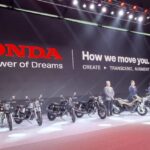
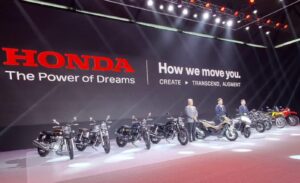
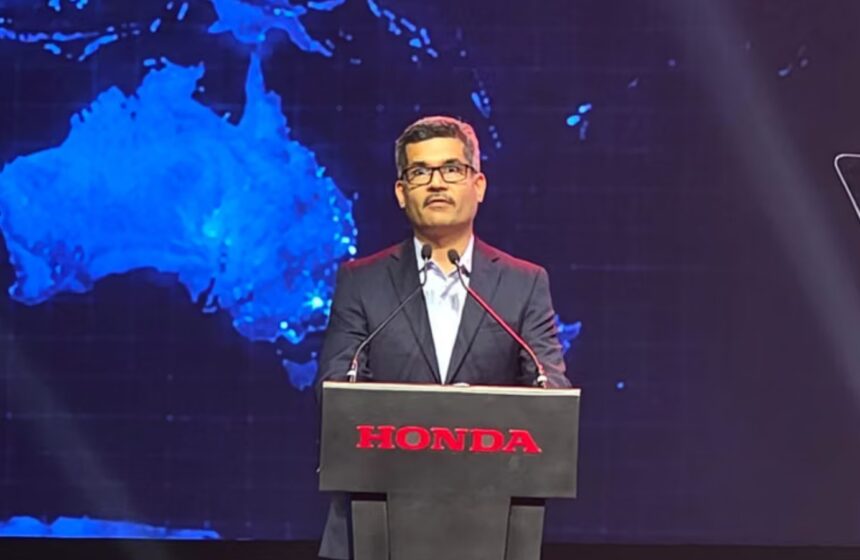
Speaking at the HMSI 2026 event, Krishnakumar, General Manager – Product Planning, Honda Motorcycle & Scooter India, said the company remains committed to a multi-fuel, multi-pathway strategy, where electric vehicles, flex-fuel technologies, and conventional internal combustion engines coexist to meet different customer needs.
Honda Sees a Multi-Technology Future
According to Honda, no single propulsion technology can address every mobility requirement across India.
See more of our coverage in your search results.
Add INDYASTORY on GoogleInstead, the company expects the future market to be shaped by multiple solutions, including:
- Battery electric vehicles
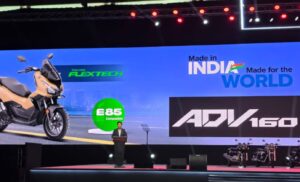
- Flex-fuel motorcycles and scooters
- Conventional petrol-powered models
- Other emerging alternative fuel technologies
Honda believes each technology has advantages depending on infrastructure availability, usage patterns, and regional requirements.
Urban Areas Offer the Best Environment for EVs
Krishnakumar said electric mobility currently delivers the greatest benefits in cities with established charging networks and high population density.
Urban environments typically provide:
- Shorter daily travel distances
- Easier access to charging facilities
- Lower operating costs for commuters
- Reduced local emissions
- Improved energy efficiency in stop-and-go traffic
Honda said these factors are shaping its product rollout strategy as it expands its electric two-wheeler portfolio.
See more of our coverage in your search results.
Add INDYASTORY on GoogleQC3 Family Electric Scooter to Launch Through Pilot Programme
As part of the event, Honda introduced the QC3 Family electric scooter, which will initially be launched through a pilot programme in selected urban markets rather than a nationwide rollout.
The company said the phased introduction will allow it to:
- Collect real-world customer feedback
- Fine-tune vehicle performance
- Improve software and user experience
- Strengthen after-sales support
- Ensure consistent product quality before wider expansion
Honda described the pilot approach as part of its long-standing philosophy of introducing new technologies through carefully managed deployments.
See more of our coverage in your search results.
Add INDYASTORY on GoogleKey Features of the Honda QC3 Family
The new electric scooter is equipped with features designed for everyday urban commuting.
Highlights include:
- 3 kWh battery pack
- IDC-certified range of 145 km
- Charging from 0% to 80% in approximately 2 hours and 40 minutes
- 32-litre under-seat storage
- 5-inch TFT instrument display
- Honda RoadSync smartphone connectivity
The combination of practical storage, connected technology, and fast charging is intended to meet the needs of city riders.
Honda Continues to Invest Beyond Electric Vehicles
Alongside the QC3 Family, Honda also showcased several other products reflecting its broader mobility strategy.
The display included:
- Flex-fuel two-wheelers
- Premium roadster motorcycles
- Cruiser motorcycles
- Adventure motorcycles
The company emphasized that electrification is one component of a broader portfolio rather than a standalone solution.
Industry Transition Remains Gradual
India’s two-wheeler industry continues to invest across multiple technologies as consumer preferences and infrastructure evolve.
While electric vehicle adoption is accelerating in many urban centers, conventional petrol-powered vehicles and alternative fuel options continue to serve large sections of the market, particularly in regions where charging infrastructure is still developing.
Industry observers note that manufacturers are increasingly adopting diversified product strategies to address varying customer requirements during the country’s transition toward cleaner mobility.
Outlook
Honda’s latest product showcase reinforces its belief that India’s mobility future will involve multiple powertrain technologies operating side by side.
By combining electric scooters with flex-fuel models and conventional motorcycles, the company aims to provide customers with a wider range of mobility options while adapting to changing infrastructure, regulations, and consumer demand.