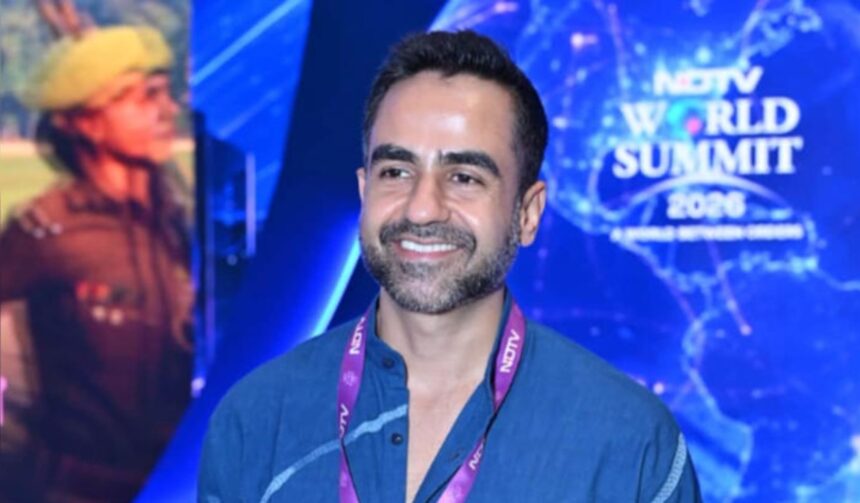
The Zerodha co-founder’s rapid-fire answers at the NDTV World Summit 2026 emphasised change, experimentation and questioning familiar assumptions.
Zerodha co-founder Nikhil Kamath offered a brief answer when asked which old-school habit Gen Z should revive: “Questioning. Curiosity.”
Speaking during a rapid-fire segment at the NDTV World Summit 2026, Kamath addressed questions about careers, education, money and personal fulfilment. His replies were concise, reflecting the format of the interview rather than a detailed guide to each subject.
The exchange highlighted a recurring theme: being willing to examine established choices and consider alternatives.
See more of our coverage in your search results.
Add INDYASTORY on GoogleWhy questioning and curiosity stood out
Kamath’s answer places attention on how young people approach unfamiliar situations.
Curiosity can begin with wanting to understand a subject. Questioning takes that interest further by examining the evidence, assumptions and reasons behind an answer.
Applied to work, that might mean asking why a process exists before repeating it. In learning, it could mean investigating an explanation rather than simply memorising it. These are practical interpretations of his remarks, rather than examples he supplied in the rapid-fire exchange.
His career advice favoured change
Asked what he would tell a 25-year-old who felt underpaid and overambitious, Kamath replied: “Change jobs.”
He also identified insufficient change as a common mistake people make in their twenties, suggesting that some remain with the same thing for too long.
See more of our coverage in your search results.
Add INDYASTORY on GoogleThe response was directed at a particular hypothetical situation. It did not explore the person’s financial commitments, job prospects or reasons for dissatisfaction.
For readers, the useful question is what a change would improve: compensation, responsibilities, learning opportunities or working conditions. A different job can address some problems, but the value of moving depends on the actual opportunity available.
Education remarks reflected his own experience
Kamath, who left school at 14, said he would make the same choice in the AI era. He also described studying extensively as overrated advice in the rapid-fire segment.
See more of our coverage in your search results.
Add INDYASTORY on GoogleThose comments express his personal perspective. One founder’s experience does not establish that leaving education will produce similar results for someone else.
Formal study, practical experience and independent learning serve different purposes. The relevant choice depends on the field, qualification requirements and the individual’s circumstances.
A short answer cannot settle a money decision
Kamath also encouraged greater spending, citing the declining value of cash. The brief exchange did not specify a budget, investment strategy or suitable level of savings.
It should therefore be read as an opinion expressed during the interview, rather than a personalised financial recommendation.
Turning curiosity into an everyday habit
Readers can apply the central idea without making an immediate major decision.
| Situation | A useful question |
|---|---|
| Receiving career advice | What assumptions does this advice make about me? |
| Learning something unfamiliar | Can I explain why this answer is correct? |
| Considering a new project | What small test would provide useful evidence? |
| Repeating a routine | Does this process still serve its original purpose? |
This framework is an editorial interpretation, not a checklist issued by Kamath.
The strongest practical takeaway from his two-word answer is a habit of investigation. Asking a better question can reveal whether a familiar approach still makes sense—and what evidence is needed before changing it.