
The ₹1,358 opening price put Jio among India’s largest listed companies, with attention now turning to earnings and investment requirements.
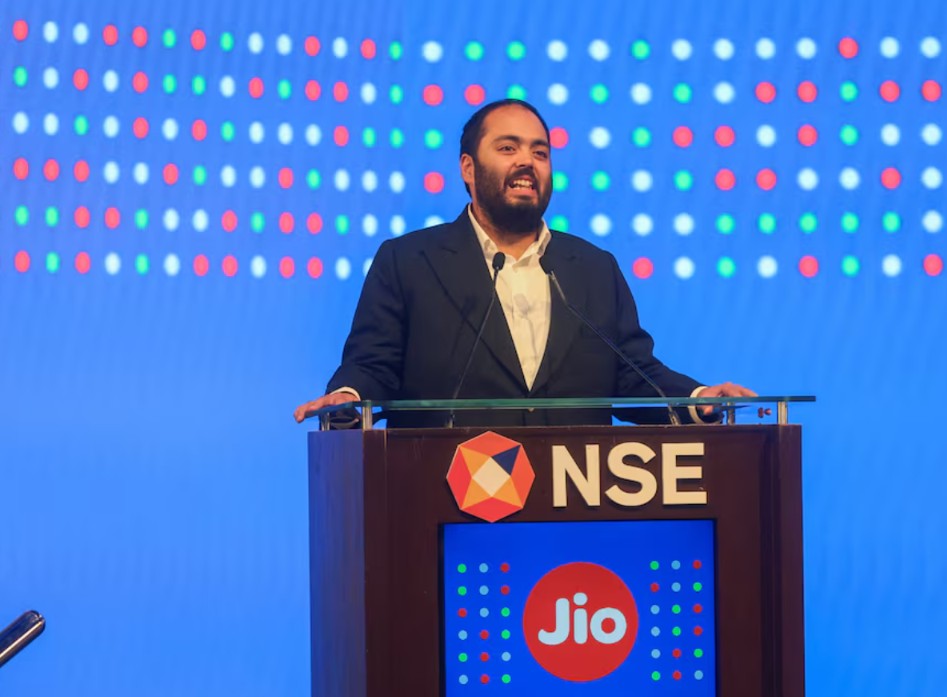
Jio Platforms made a strong stock-market debut on Wednesday, opening at ₹1,358 against its IPO price of ₹1,119—a premium of approximately 21.4%.
The CapTop reported that the opening valuation reached about $131.5 billion, placing Jio second among India’s listed companies by market capitalisation at that point, behind parent Reliance Industries.
The debut gives public-market investors direct exposure to the telecom and digital business backed by Meta and Alphabet’s Google.
See more of our coverage in your search results.
Add INDYASTORY on GoogleWhat the opening means for IPO investors
The difference between the offer price and opening price was ₹239 per share.
An investor allotted shares at ₹1,119 therefore had an unrealised gain of approximately 21.4% at the opening price, before transaction costs and any applicable taxes. The actual return depends on the price at which an investor eventually sells.
For someone buying at ₹1,358, the starting point is different. The IPO premium has already occurred, and subsequent returns depend on movements from their purchase price.
The opening gain should also be distinguished from the first-day closing return. This report describes the debut price, not the final trading outcome for October 28.

Market value is different from money raised
The reported $131.5 billion figure represents the market value of Jio’s equity at the relevant share price.
See more of our coverage in your search results.
Add INDYASTORY on GoogleIt is not the amount collected through the IPO or cash added to the company’s balance sheet.
Market capitalisation changes as shares trade. Rankings against other listed companies can consequently shift during a session, particularly when prices move sharply.
The distinction is important when interpreting a large listing: investor demand can increase the value assigned to a business without producing an equivalent cash inflow for that business.
See more of our coverage in your search results.
Add INDYASTORY on GoogleEarnings become the next test
After the opening, investors will need to assess whether operating performance supports the valuation.
For a telecom and digital business, subscriber growth is one measure. Revenue generated per customer, profitability, investment spending and cash generation provide additional context.
A growing customer base can support revenue, but the cost of serving those customers and maintaining network capacity also matters. Strong accounting profits and strong free cash flow do not always arrive at the same time.
Competition and the regulatory framework remain relevant to the investment case. Changes affecting spectrum, licensing or industry fees can influence costs and future investment decisions.
Grey-market expectations are not a price guarantee
Before listing, The CapTop reported that informal grey-market trading suggested a premium of about 22%.
Such indications can reflect sentiment ahead of a debut, but they are not official exchange prices or assured returns.
Once trading begins, executable market prices become the relevant reference. Investors should avoid treating an earlier informal premium as a target that the stock must reach or maintain.
What to watch after the debut
Jio’s opening establishes the market’s initial pricing response. Subsequent financial disclosures will provide a firmer basis for evaluating the business.
Investors will be watching revenue growth, margins, capital expenditure and the conversion of earnings into cash.
For readers following the listing, the next useful comparison is between the offer price, opening price and eventual closing price—each clearly labelled and recorded at the appropriate time.
Source: The CapTop’ October 28 report. The opening premium is calculated as (₹1,358 − ₹1,119) ÷ ₹1,119 × 100. This article provides market information and does not recommend buying or selling securities.