






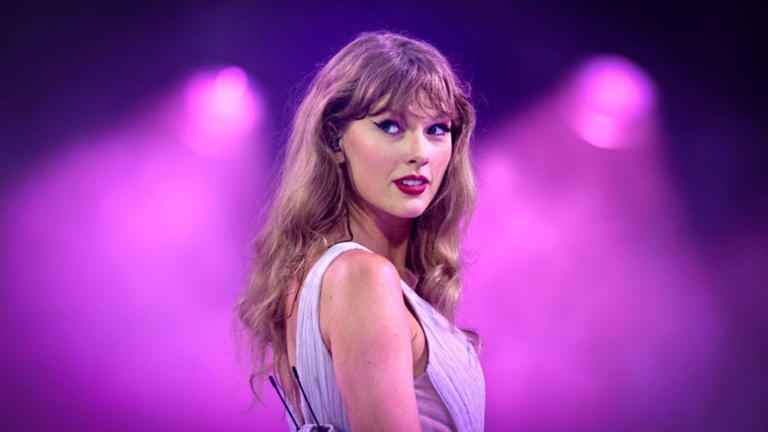
Few celebrities generate as much public interest as Taylor Swift. Whether it is a new album, a record-breaking tour, or speculation surrounding her personal life, millions of people around the world closely follow every development.
Recent discussions across social media and entertainment platforms about Swift’s relationship with NFL star Travis Kelce have once again highlighted a larger cultural question: Why do so many people feel emotionally invested in the lives of celebrities they have never met?
According to psychologists and media researchers, the answer lies in a phenomenon known as parasocial relationships.
What Are Parasocial Relationships?
Parasocial relationships are one-sided emotional connections that people develop with public figures, entertainers, athletes, influencers, and media personalities.
Although the relationship exists only from the audience’s perspective, the emotional responses involved can feel genuine.
Researchers say the human brain naturally processes familiar public figures as recognizable social individuals, even when there is no direct interaction.
Media psychology experts note that audiences often celebrate a celebrity’s achievements, feel sadness during difficult moments, and become emotionally invested in major life milestones.
Why Fans Feel Connected to Taylor Swift
Taylor Swift’s career provides a powerful example of how parasocial relationships develop over time.
For nearly two decades, fans have followed her music, interviews, performances, documentaries, and public appearances. Many listeners associate her songs with important moments in their own lives, creating a strong emotional connection.
Psychologists explain that music can strengthen these bonds because it often becomes intertwined with personal memories, relationships, and life experiences.
As a result, many fans feel as though they have accompanied Swift through various stages of her career, even though the relationship remains one-sided.
The Role of Empathy in Celebrity Culture
Experts emphasize that empathy plays a major role in these connections.
Humans are naturally social beings who respond emotionally to stories about other people. When audiences repeatedly engage with a public figure’s work and personal narrative, emotional attachment can gradually form.
This explains why celebrity engagements, weddings, career achievements, and personal challenges frequently attract widespread attention.
People are not merely reacting to headlines; they are responding through emotional frameworks built over years of exposure and familiarity.
Social Media Has Changed the Dynamic
While parasocial relationships existed long before the internet, social media has dramatically intensified them.
Platforms such as Instagram, TikTok, X, and YouTube allow celebrities to share personal updates directly with their audiences.
This creates a sense of accessibility that was largely absent in previous generations of entertainment.
Fans can view behind-the-scenes moments, personal photographs, and real-time reactions, making public figures appear more relatable and approachable.
Researchers say this digital environment can deepen feelings of familiarity, even though the relationship remains fundamentally one-sided.
What Science Says About Celebrity Attachments
Studies examining social cognition have found that the brain processes celebrities differently from close friends and family members.
While audiences may feel emotionally connected to public figures, neuroscientific research indicates that these relationships occupy a distinct category within social perception.
Psychologists generally consider parasocial relationships healthy when individuals maintain clear boundaries between celebrity interest and real-life personal relationships.
Most fans understand that their connection is based on admiration and engagement rather than actual personal interaction.
Why Celebrity Wedding Rumors Spread So Quickly
Major life events naturally attract public curiosity, particularly when they involve globally recognized figures.
Wedding speculation often combines several factors:
- Emotional investment from fans
- Constant media coverage
- Social media discussions
- Public fascination with celebrity lifestyles
- Ongoing interest in long-term relationships
Together, these elements create an environment where rumors, reports, and discussions can rapidly gain worldwide attention.
A Reflection of Human Nature
Behavioral experts stress that interest in celebrity relationships is not unusual. Rather, it reflects fundamental aspects of human psychology.
People are wired to form social connections, follow personal narratives, and empathize with others’ experiences. In the modern media landscape, celebrities often become part of those narratives.
As entertainment culture continues to evolve, parasocial relationships remain an important lens for understanding why audiences become invested in the lives of public figures.
Whether discussing a new movie, a chart-topping album, or speculation surrounding a celebrity’s future plans, the emotional engagement reflects a broader human tendency to connect with stories—and the people at the center of them.